Day 37: Boston, Day 3
Nau mai,
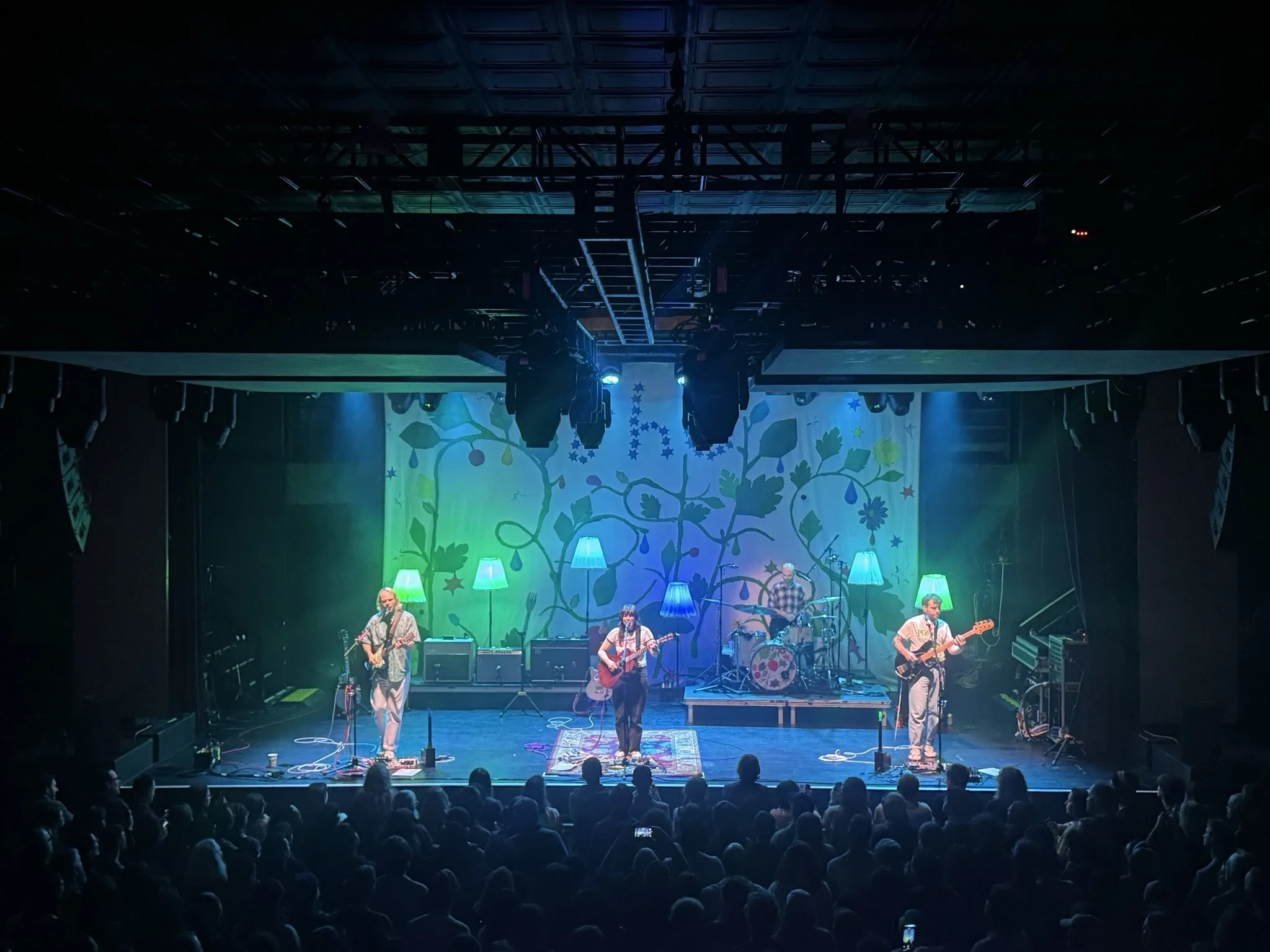
Yesterday we played our second night in Boston.
Massachussetts should have been getting easy by now but on this occasion to my eyes it just looked like spaghetti. Thank you for the continued submissions. There have been some very close attempts, and I am learning a lot from everyone’s mistakes.
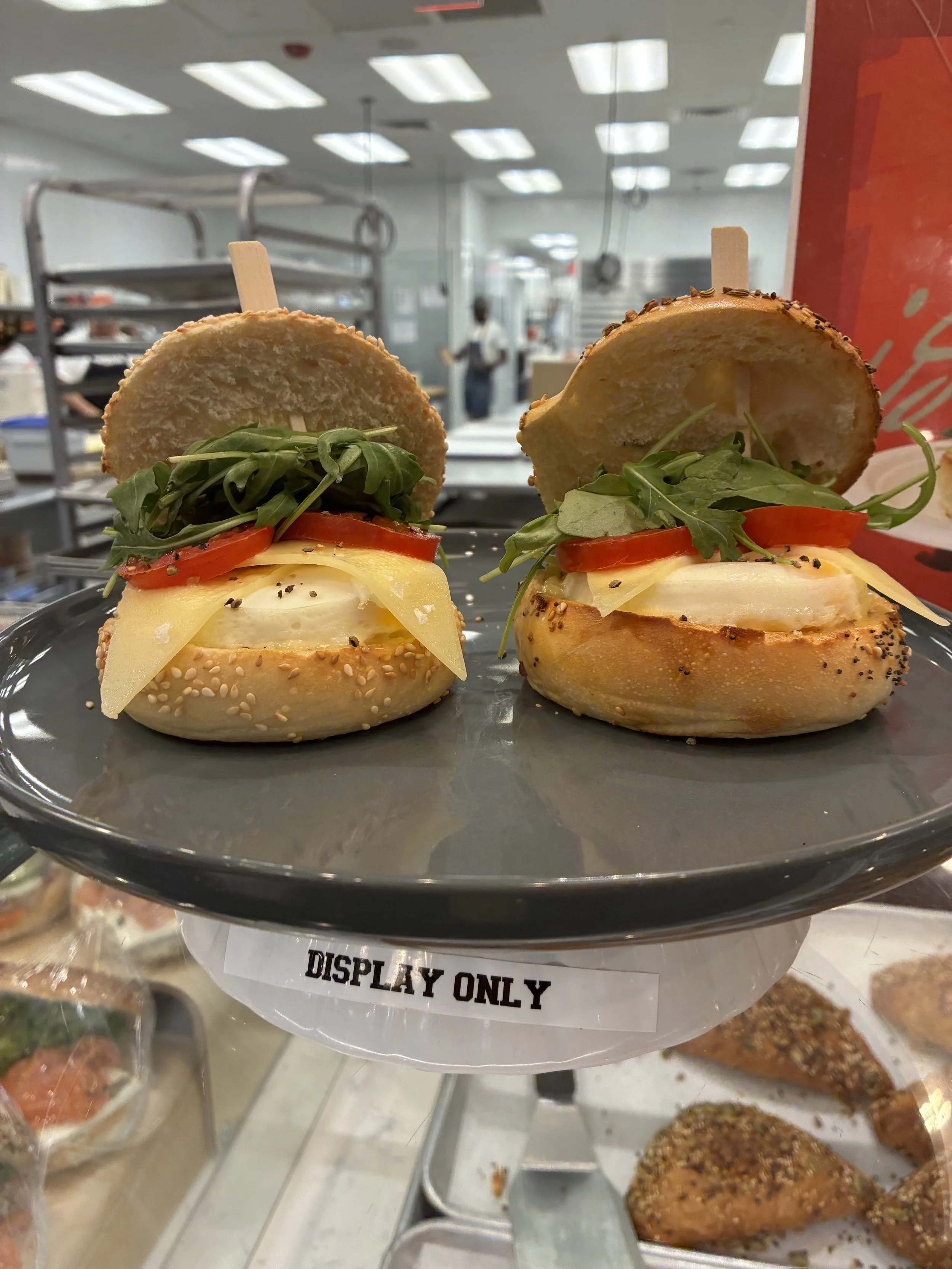
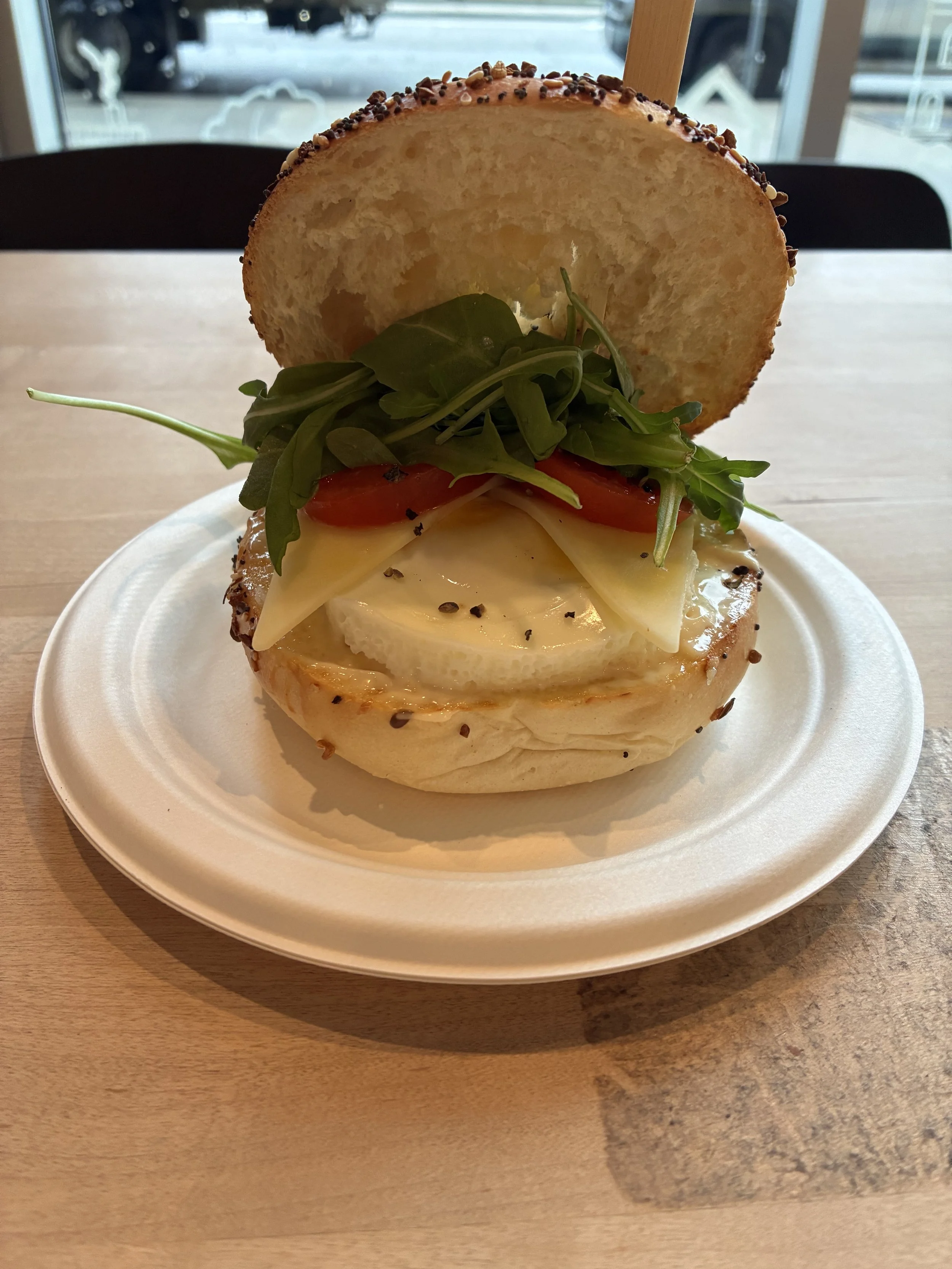
Yesterday was museum day. The rain was just beginning to set in as I left the hotel, and it felt like a good day to spend inside a cosy building looking at artifacts. I found breakfast on the way to the subway station at a spot called Bakey. The name of this sandwich was either Wake Up To Flavour or Isla. It was presented on a toasted bagel that was covered in poppy and sesame seeds and I think I detected a few fennel seeds on there too. The filling was a fried egg, cheddar cheese, arugula, tomato, and then a slathering of aioli to find the moisture balance. I was stoked that this café had a display version of this food on offer as it would allow me to get a much nicer photo with all the ingredients on display. I was also stoked when my food arrived and looked identical to the display version.

I enjoyed my experience riding on Boston’s subway network. Park Street was the station I embarked at and on my way down to the platform I was fortunate enough to witness some of the rickety subway cars of the Green Line coming around an extremely tight corner into the station in a manner that very much reminded me of the Gold Rush, one of the old fashioned coaster-type rides at my local theme park. The Red Line would deal with no such turning radiuses and the cars were as spacious as the service was smooth. The voice announcements coming in over the speaker from the driver had the classic incomprehensible diction. It was only a ten-minute ride, and I was across the Charles River and disembarking into the rainy city of Cambridge.
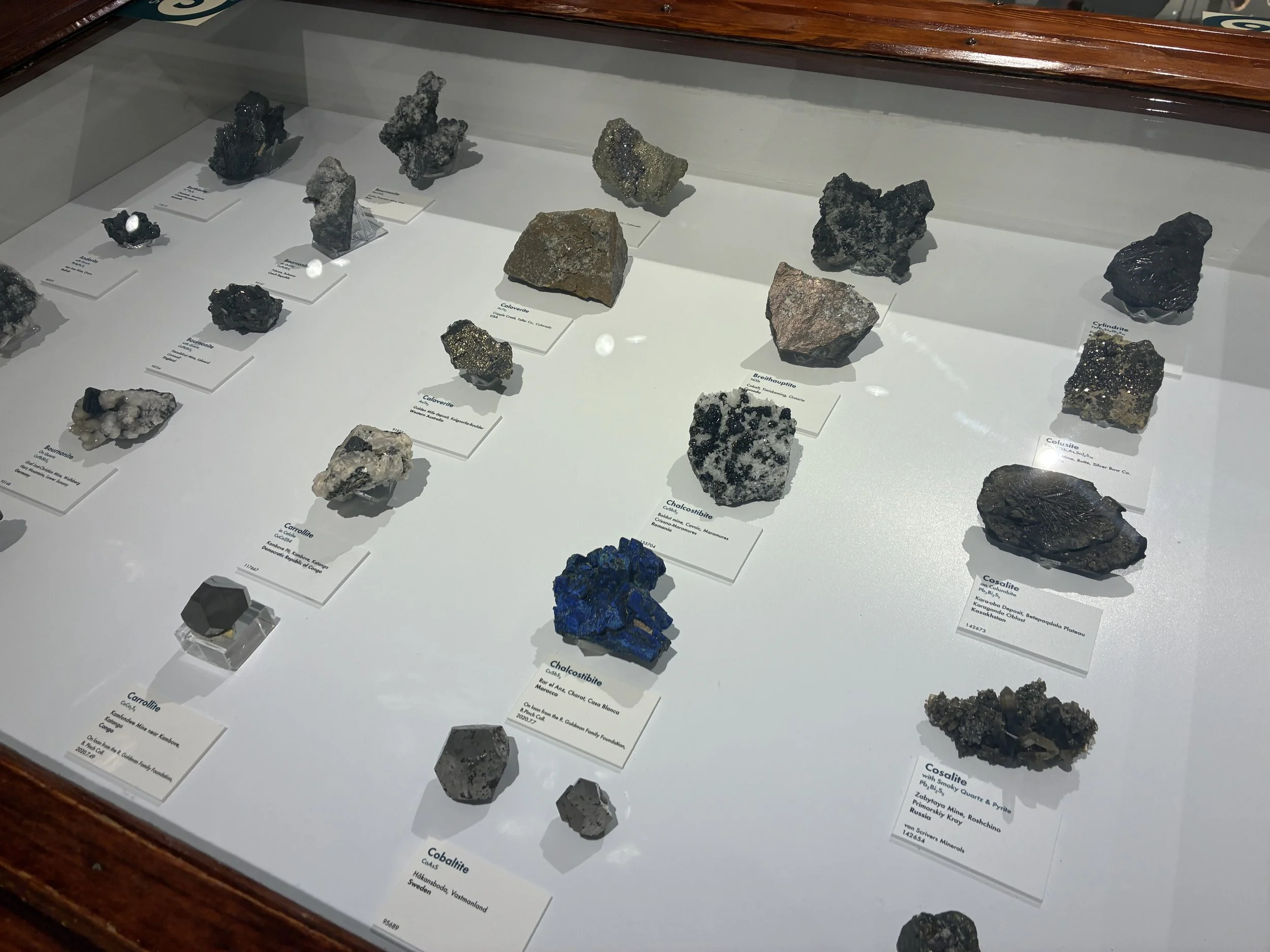
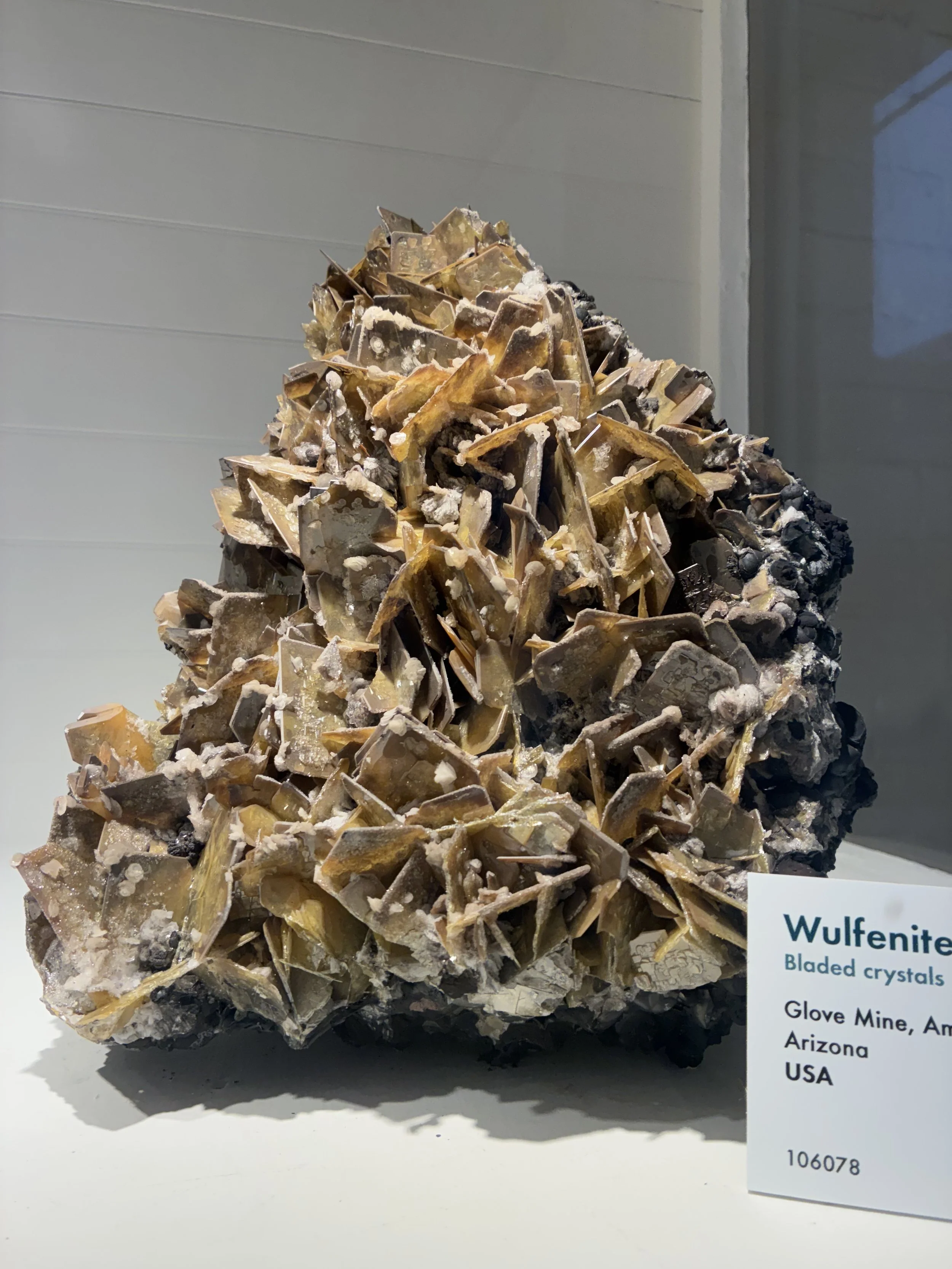
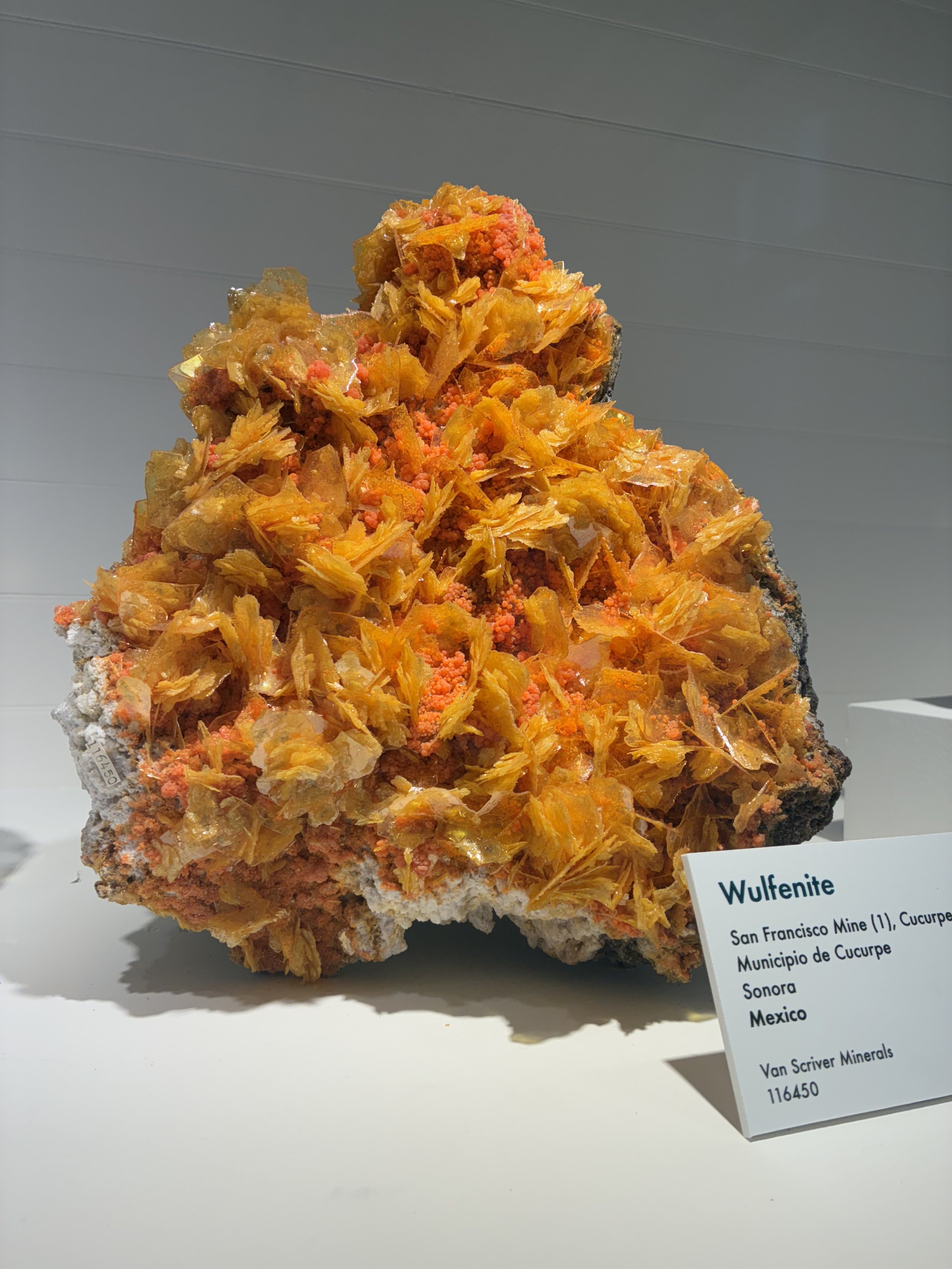
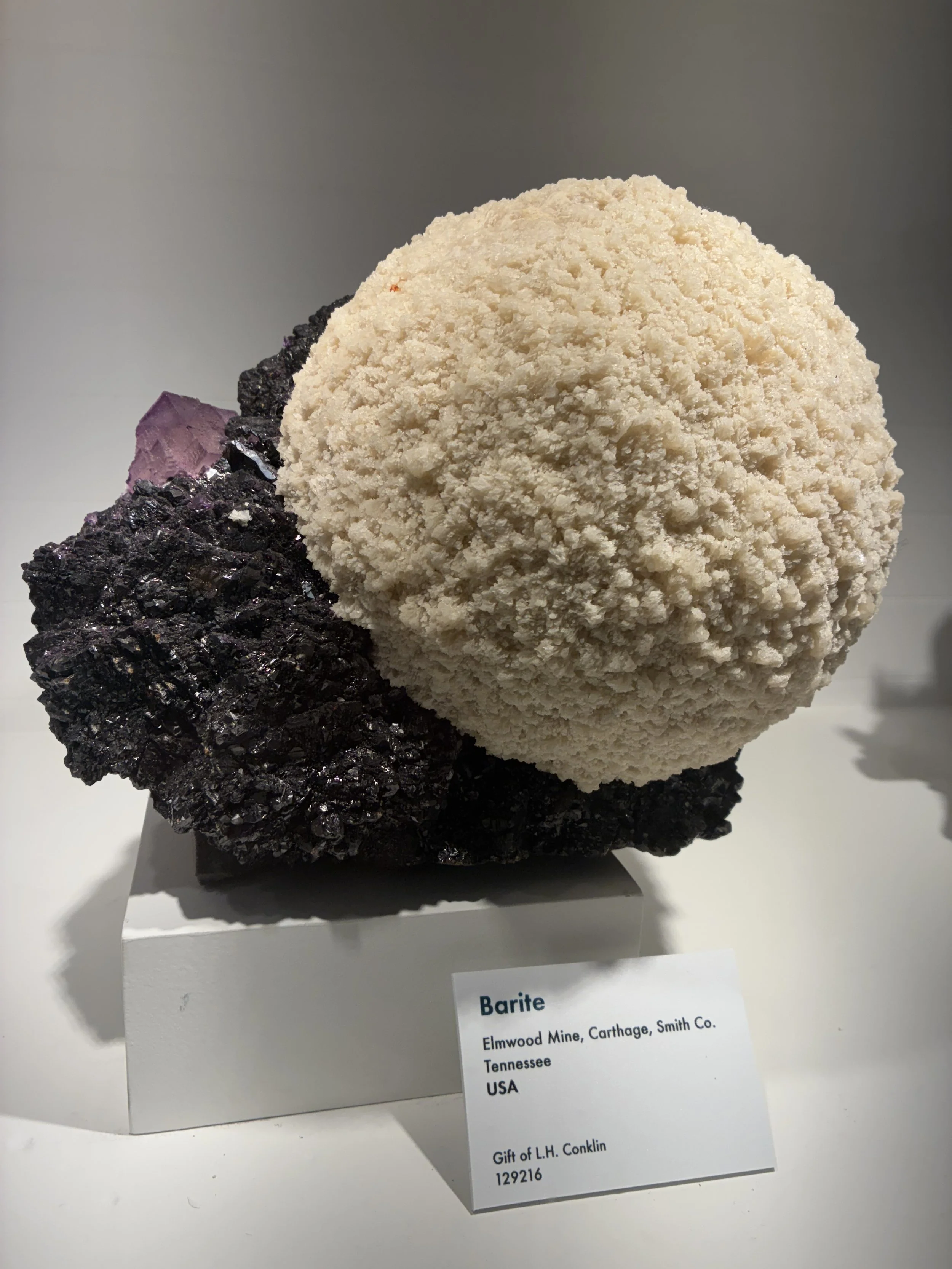
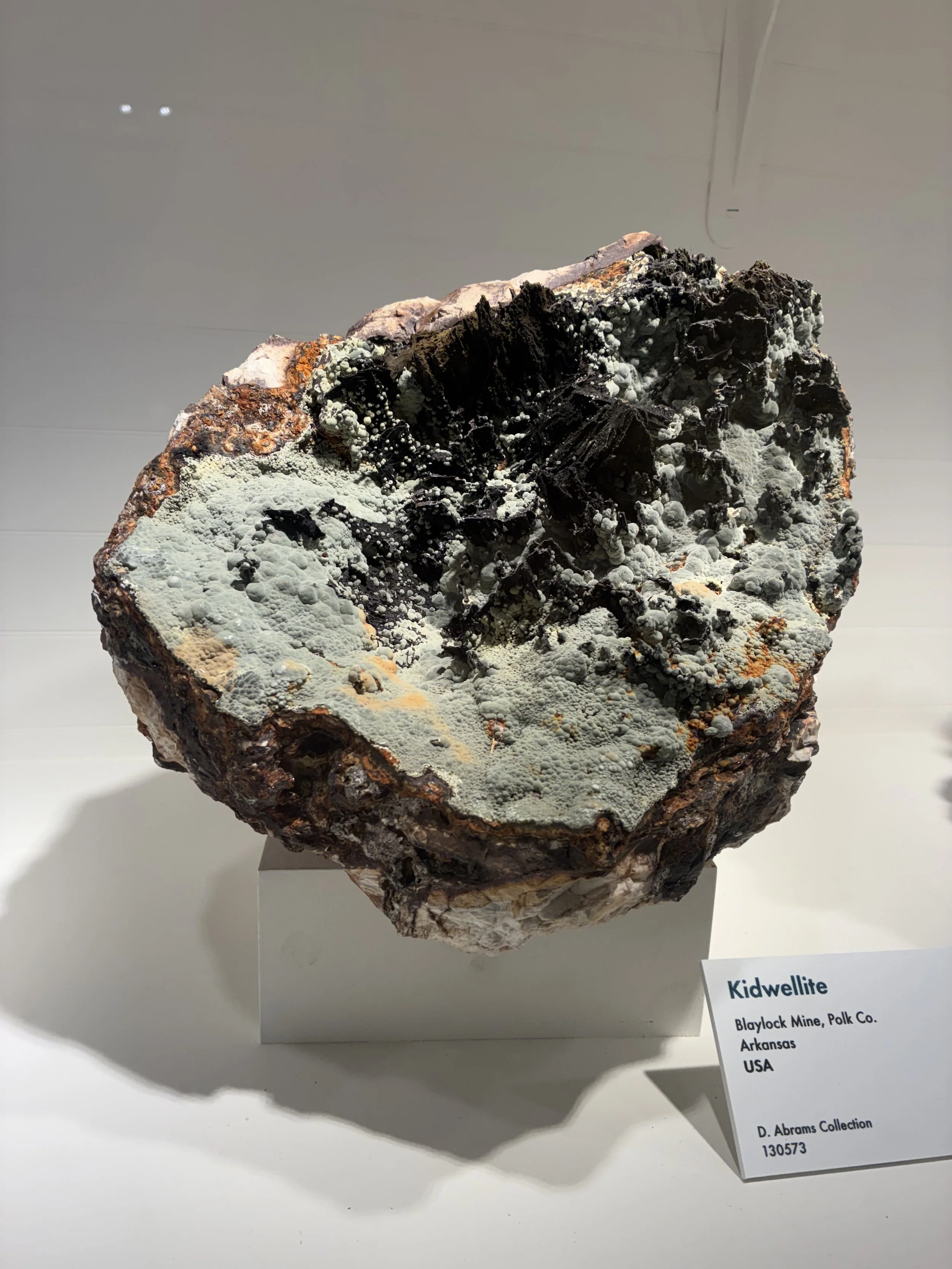
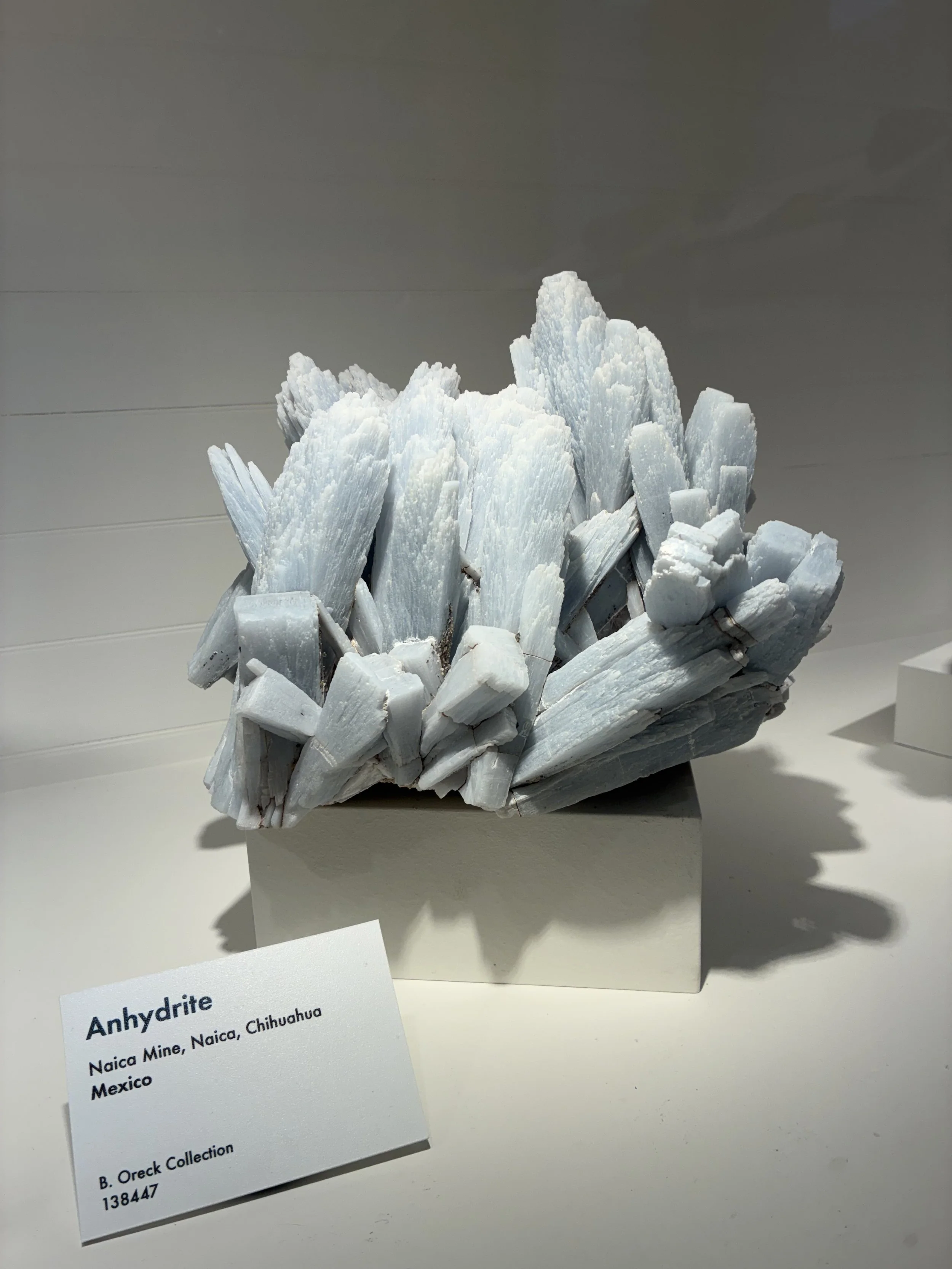
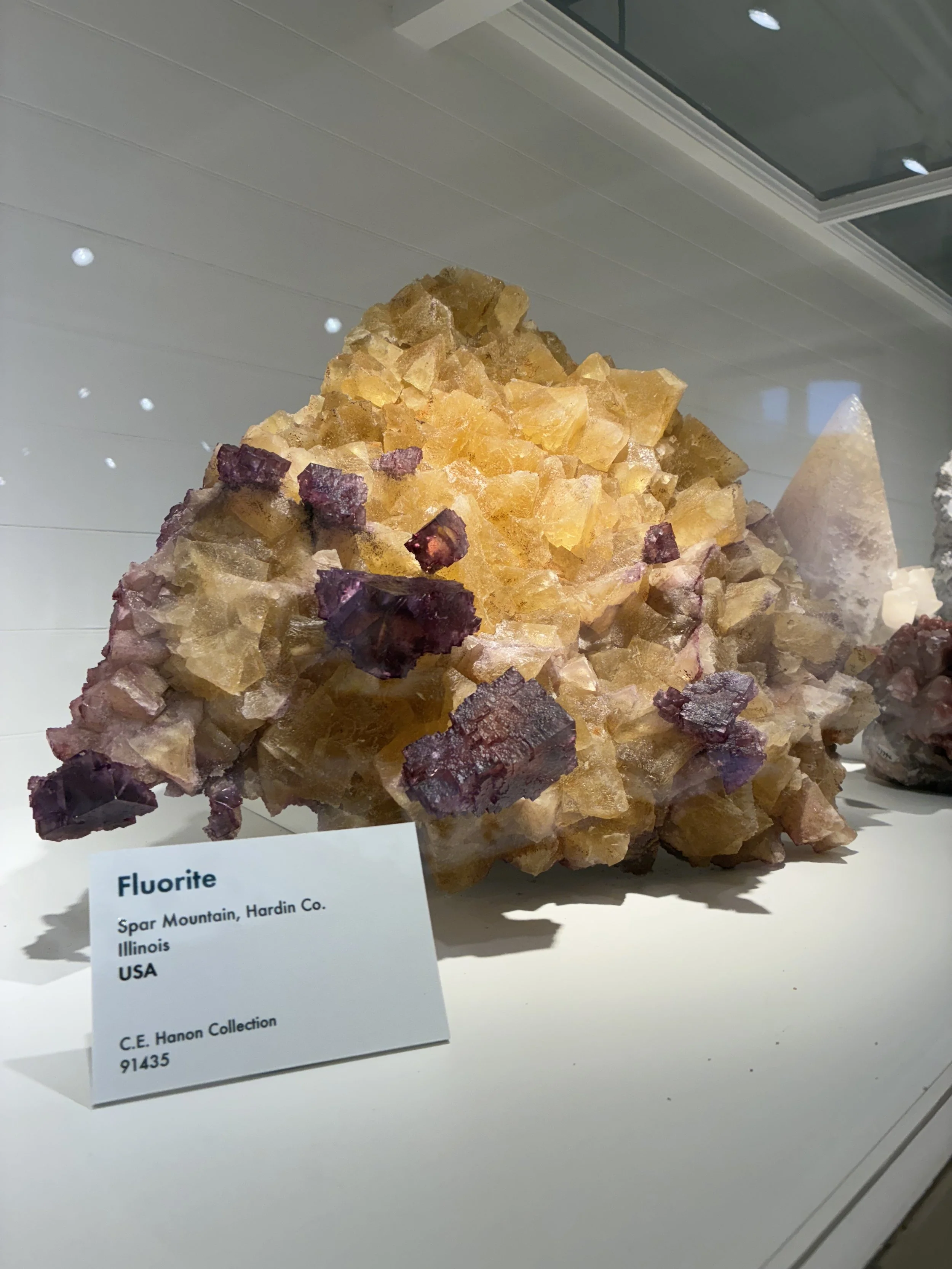
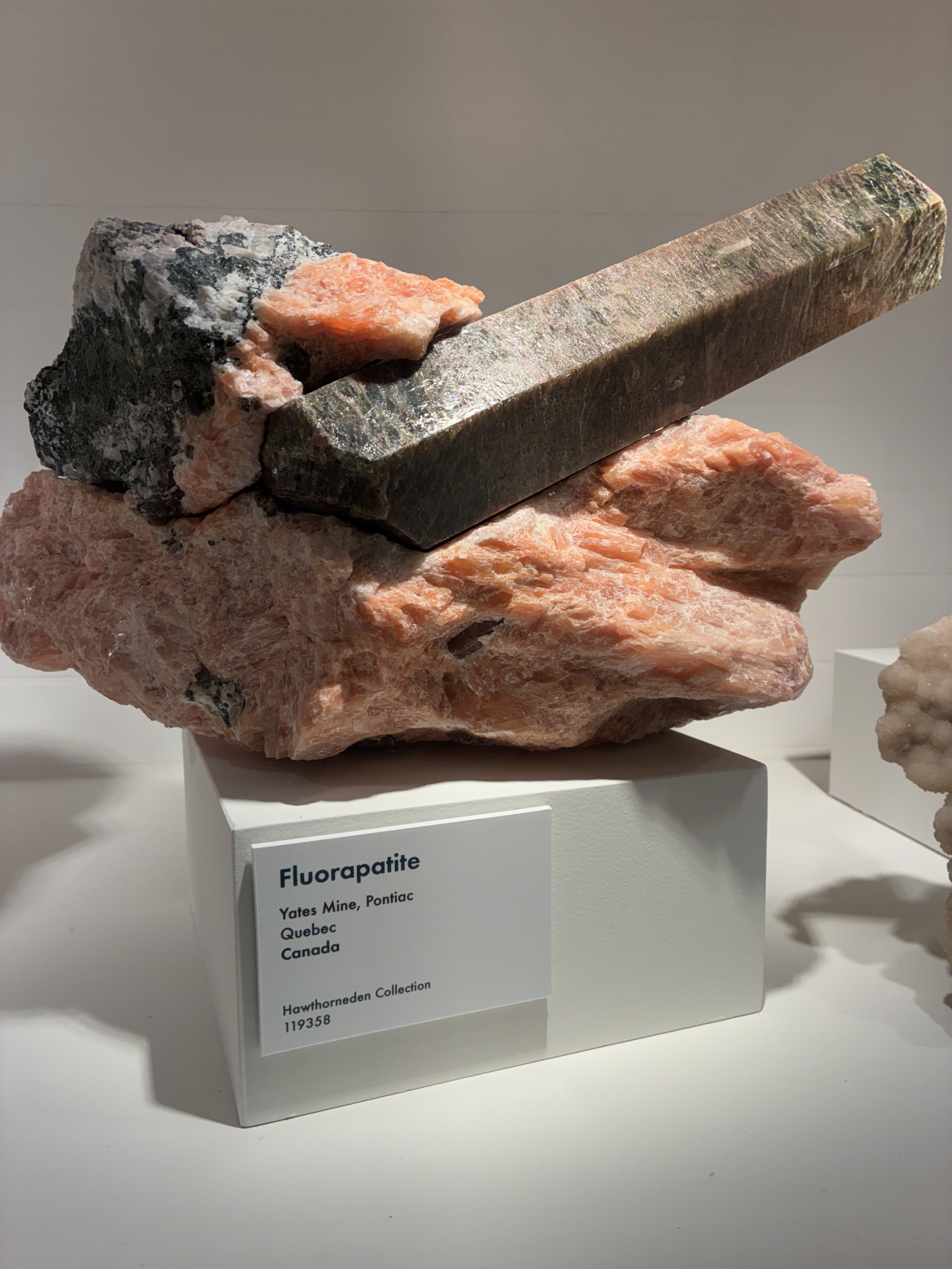
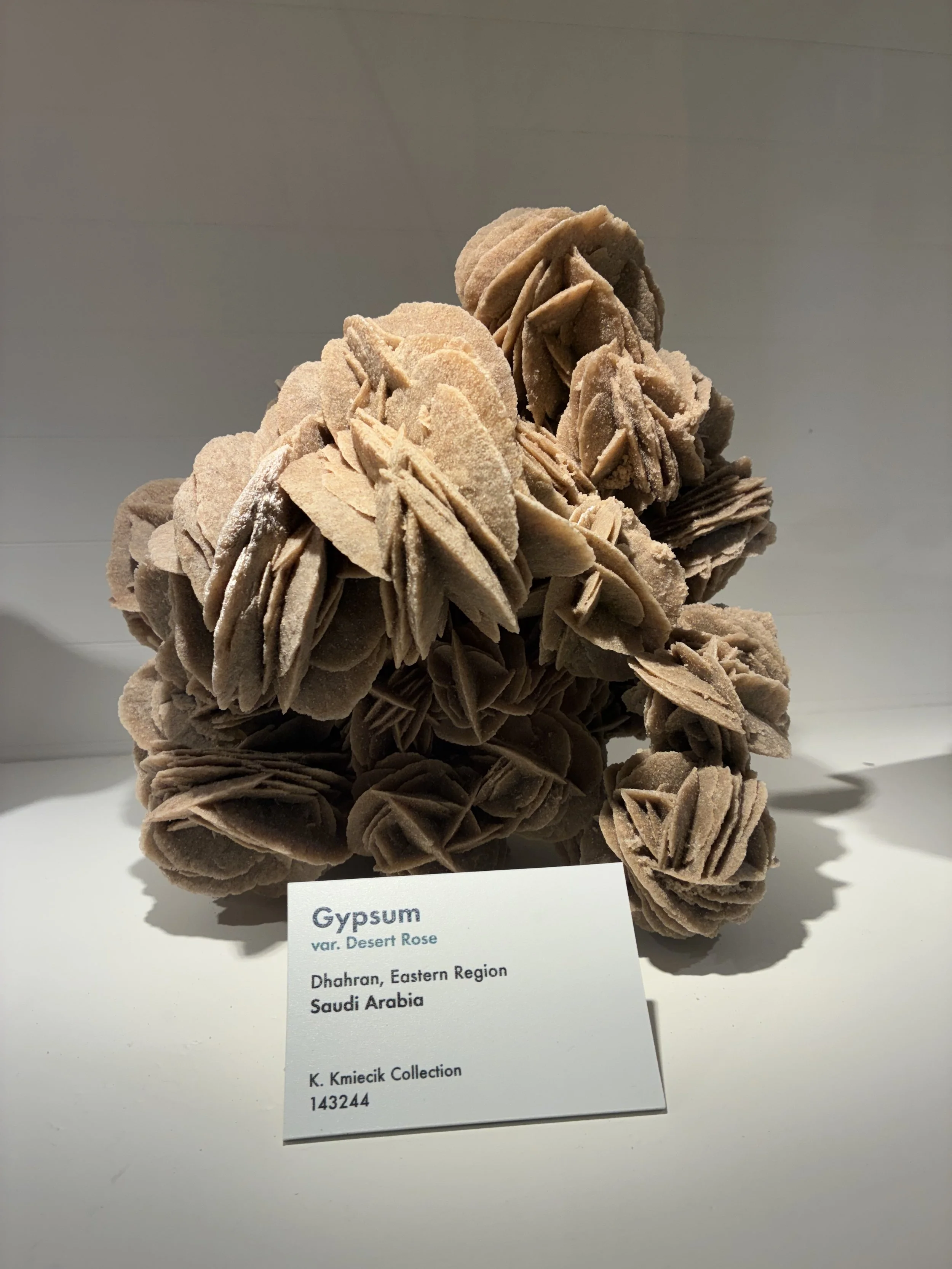
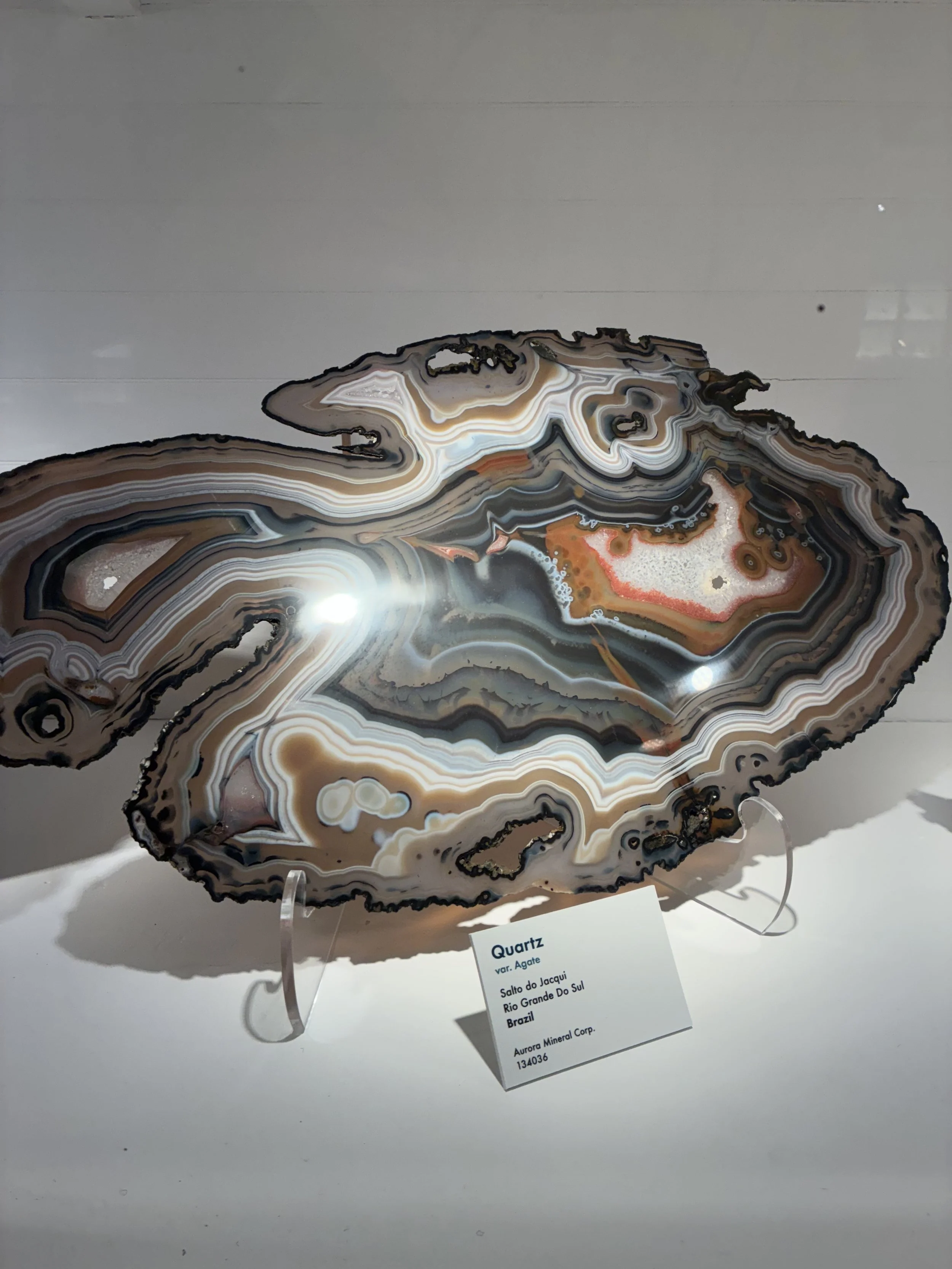
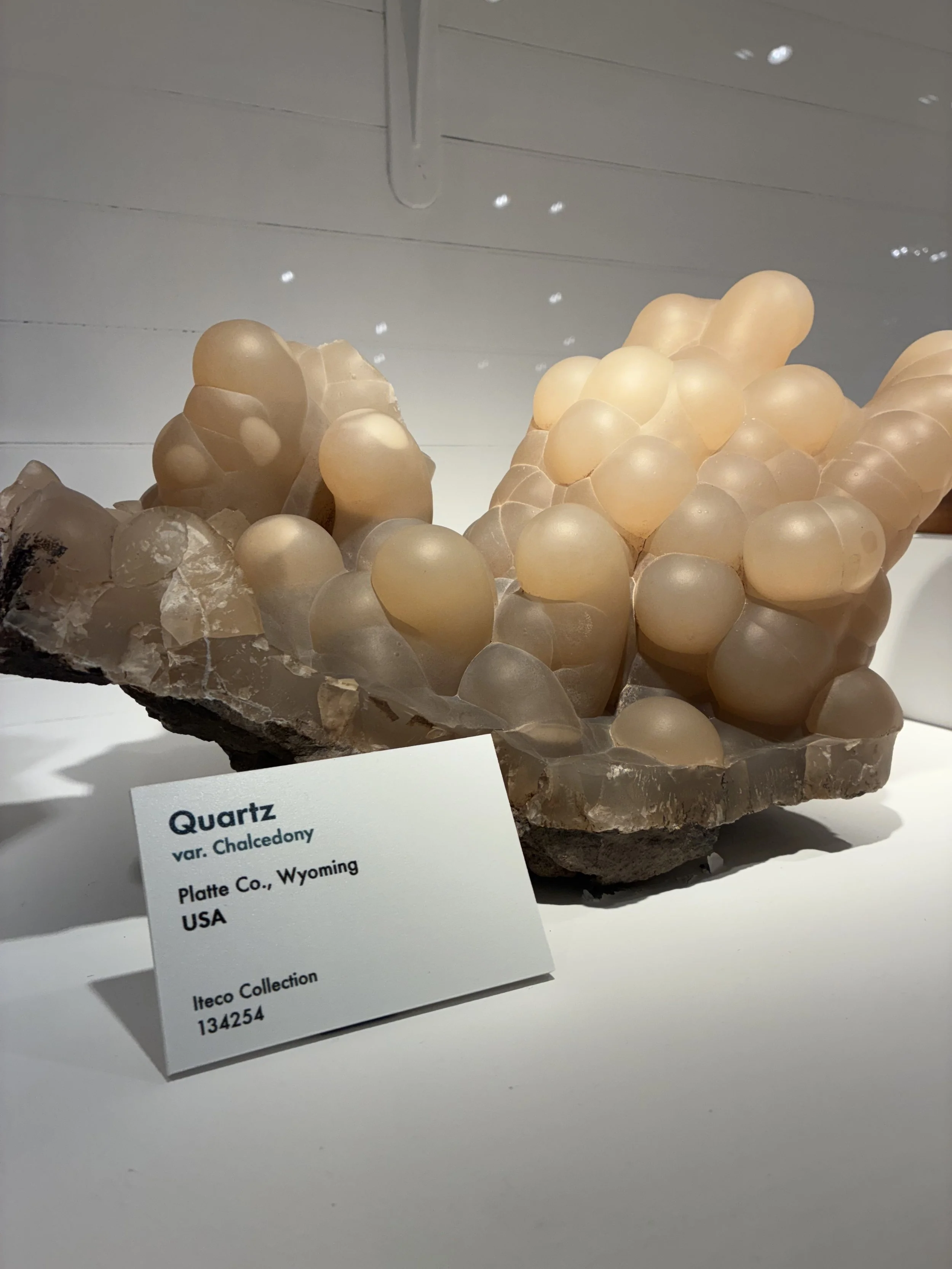
I spent several hours at the Harvard Museum of Natural History, and they were hours I enjoyed very much. The most famous attraction and the thing that drew me there was of course the Glass Flowers, the collection of highly accurate botanical models created by Leopold and Rudolf Blaschka in the early 20th century. Before I even looked at the flower exhibit though I was drawn in by the rock collection. I had never seen rocks that looked so interesting, nay, beautiful. Minerals, gems, rocks, and meteorites lined the display cases that filled a large room, and although this collection mostly went over my head at a scientific level I found the shapes and colours were quite entrancing.
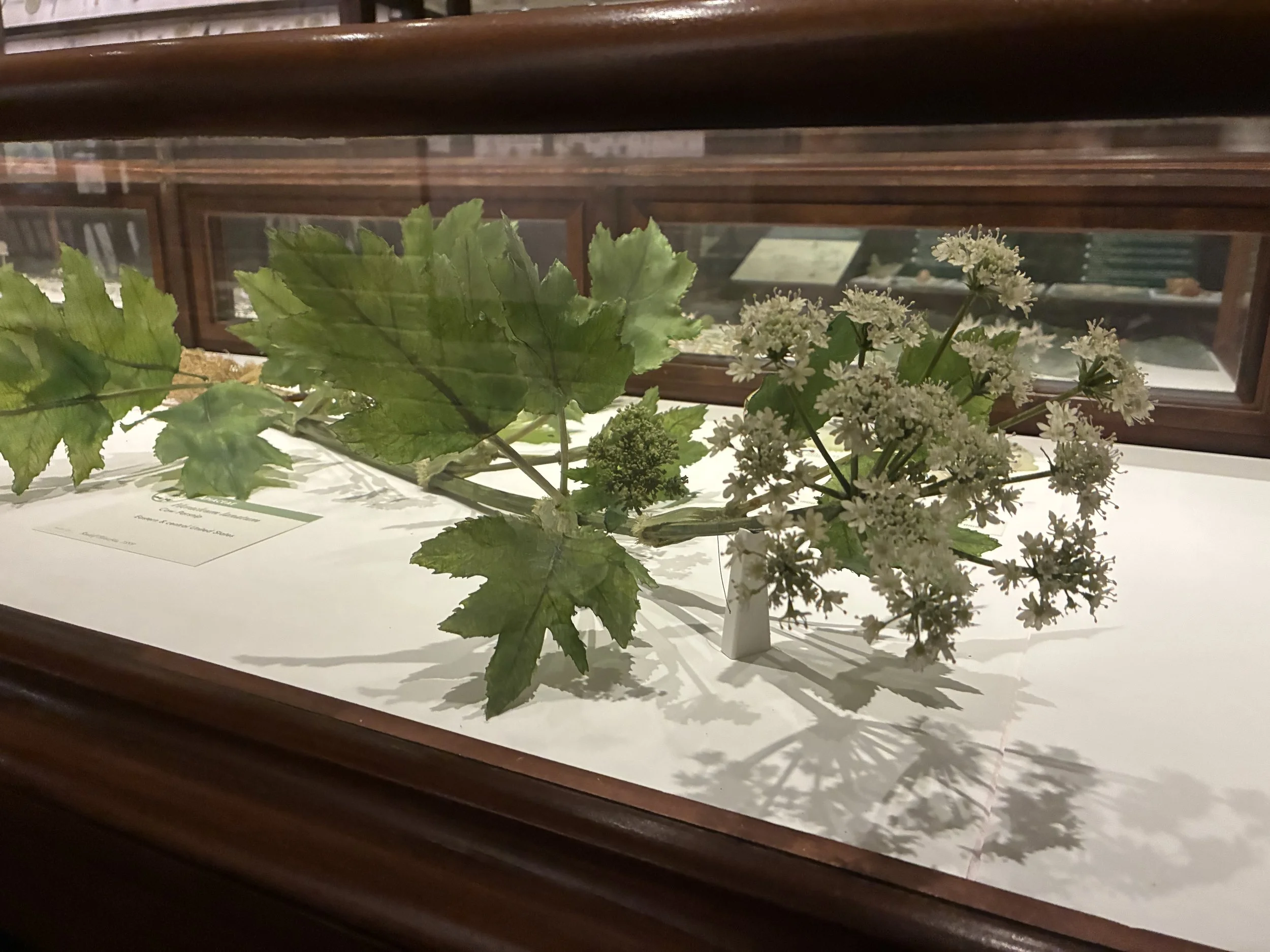
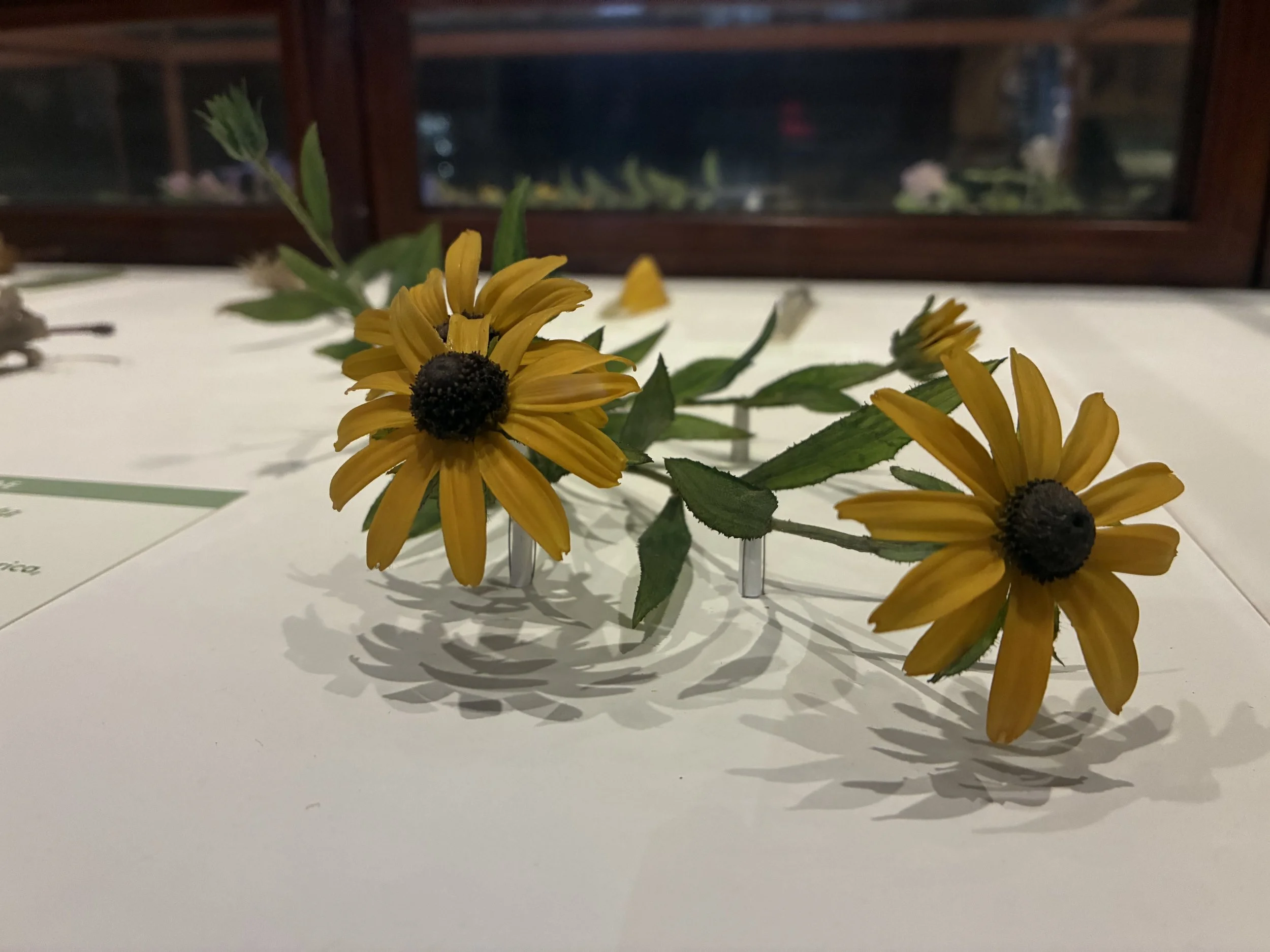
The Glass Flowers were simply mind blowing. Over 850 full-sized glass models that represent 780 plant species to a painstaking level of accuracy. Leopold Blaschka and his son Rudolf created this collection over a period of fifty years using primarily glass, wire, animal glue, and paint, incorporating other more unusual materials like cotton or gelatine to create specialist textures. As these were intended as teaching tools they are anatomically accurate, and also include enlarged cross sections of the reproductive sections of each plant. This is craftsmanship that is just difficult to behold, and to imagine it all happening on a wooden workbench with a simple oil-fueled lamp and basic hand tools is a magical thought.
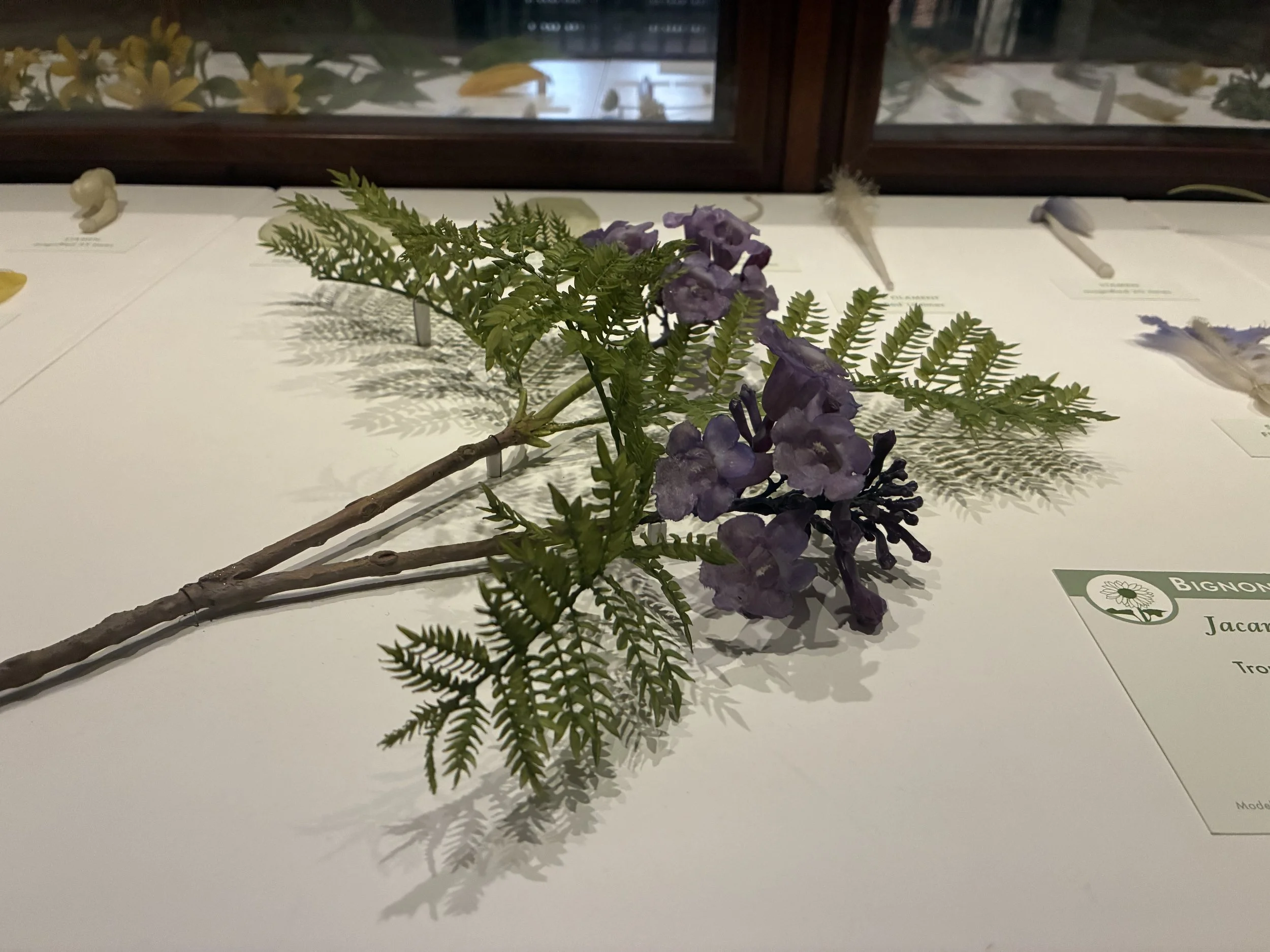
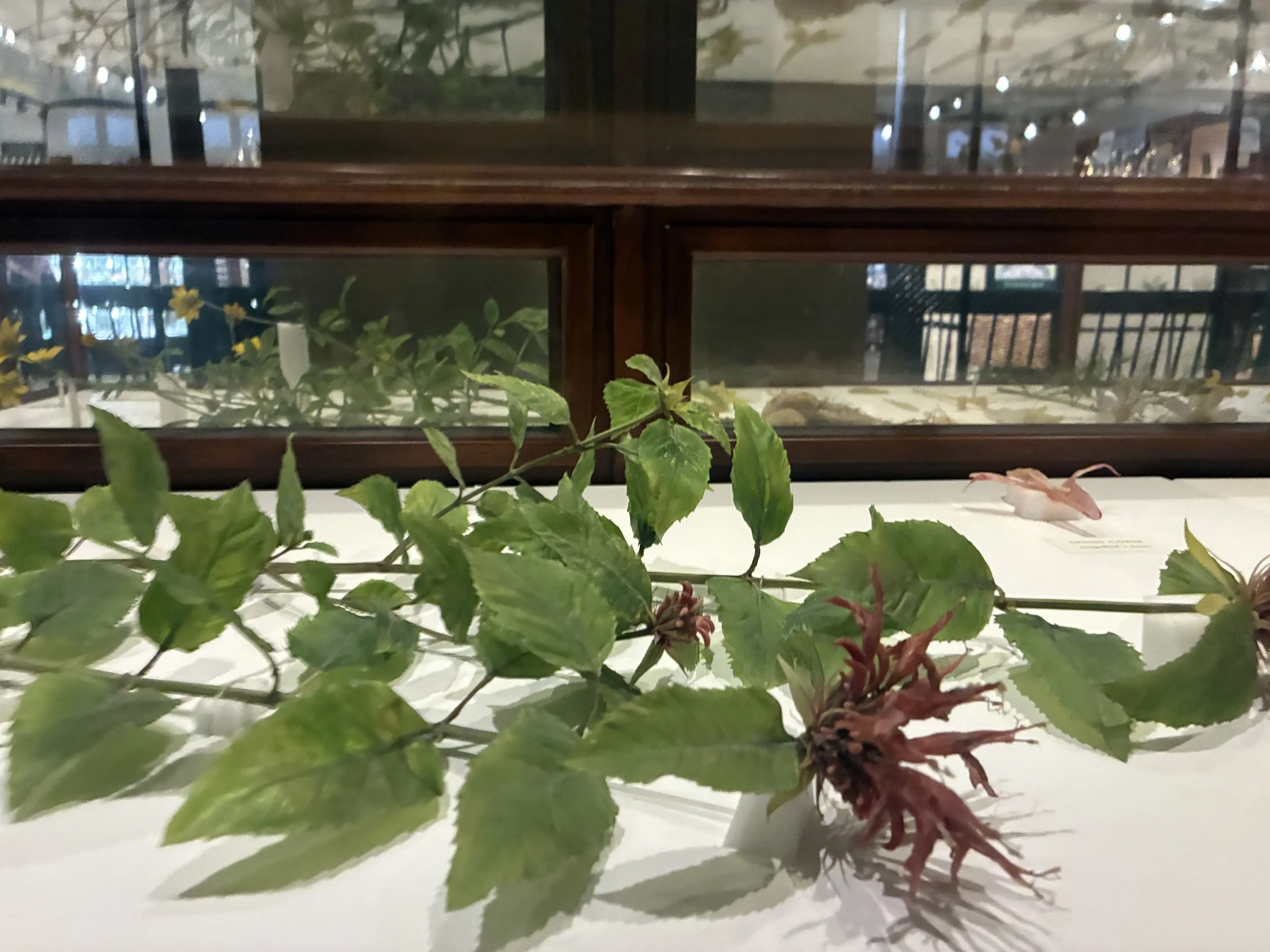
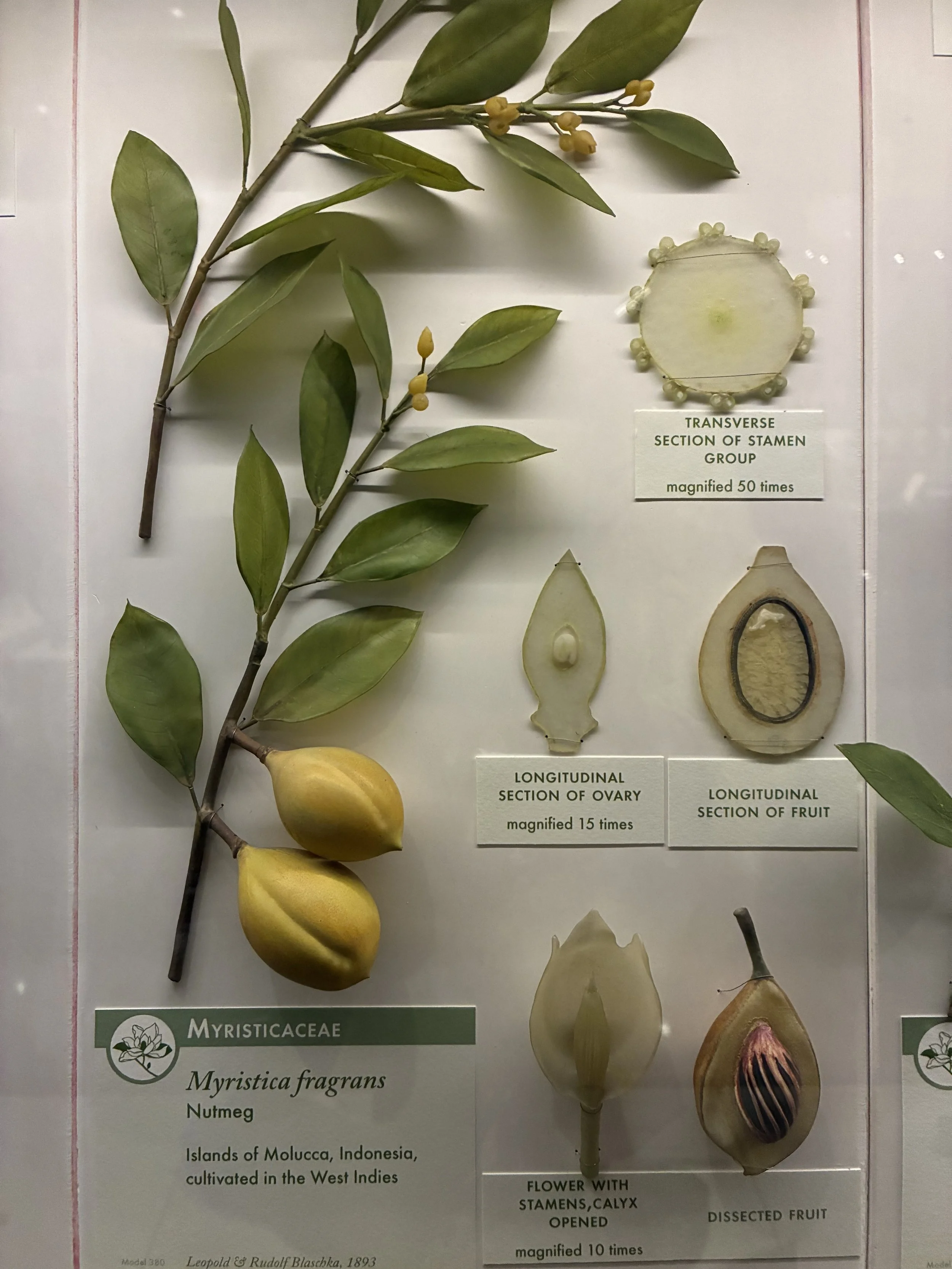
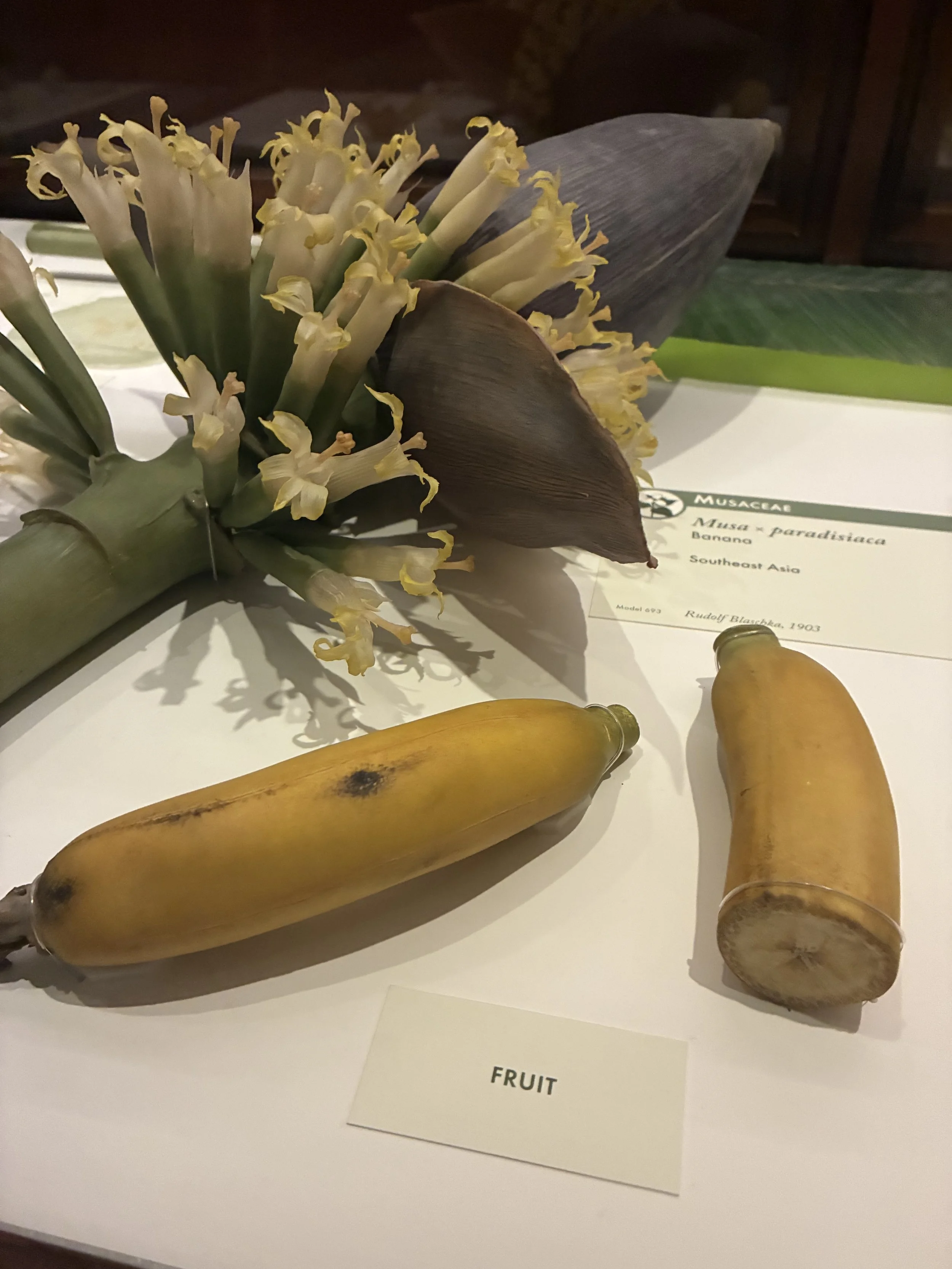
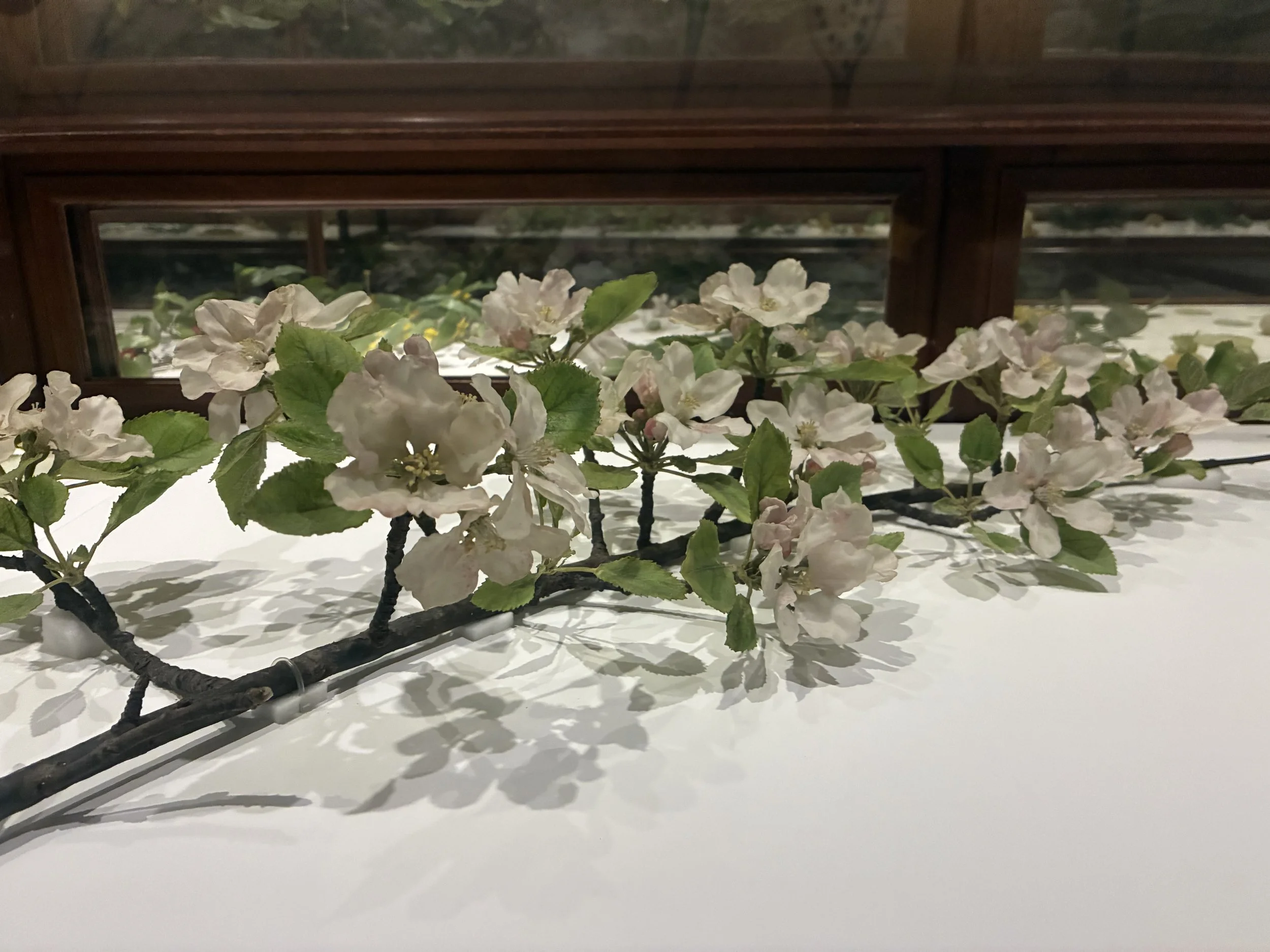
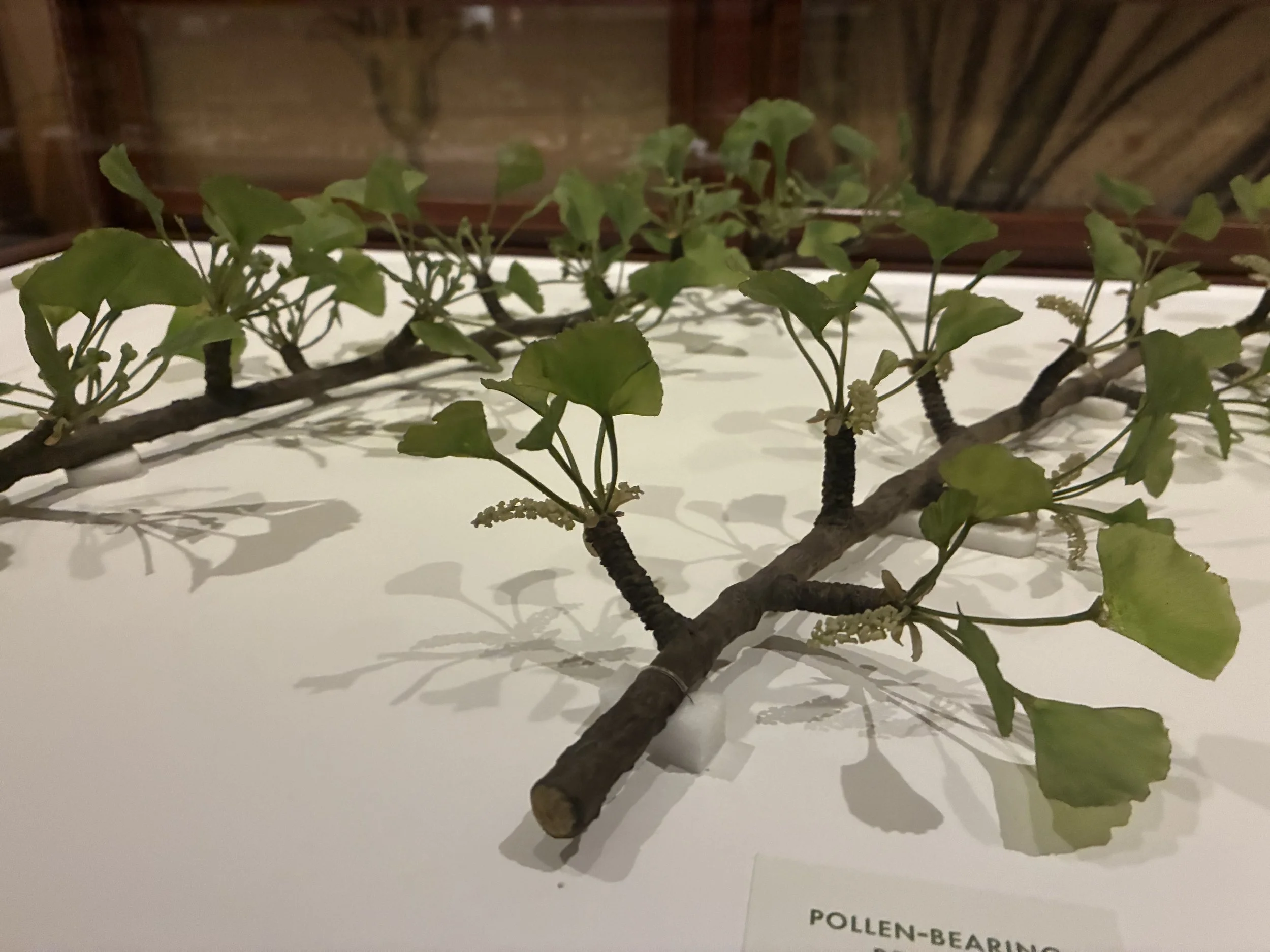
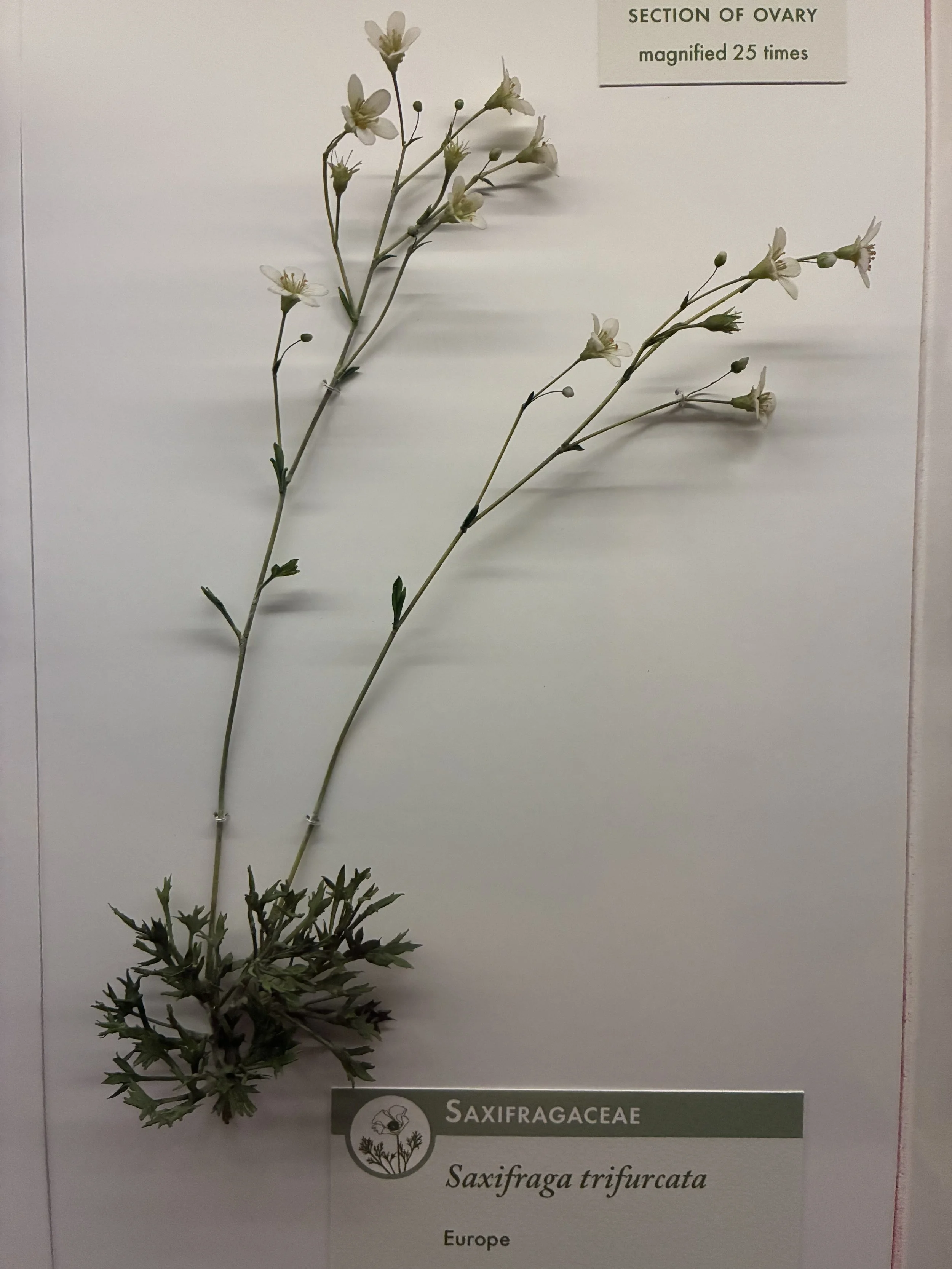
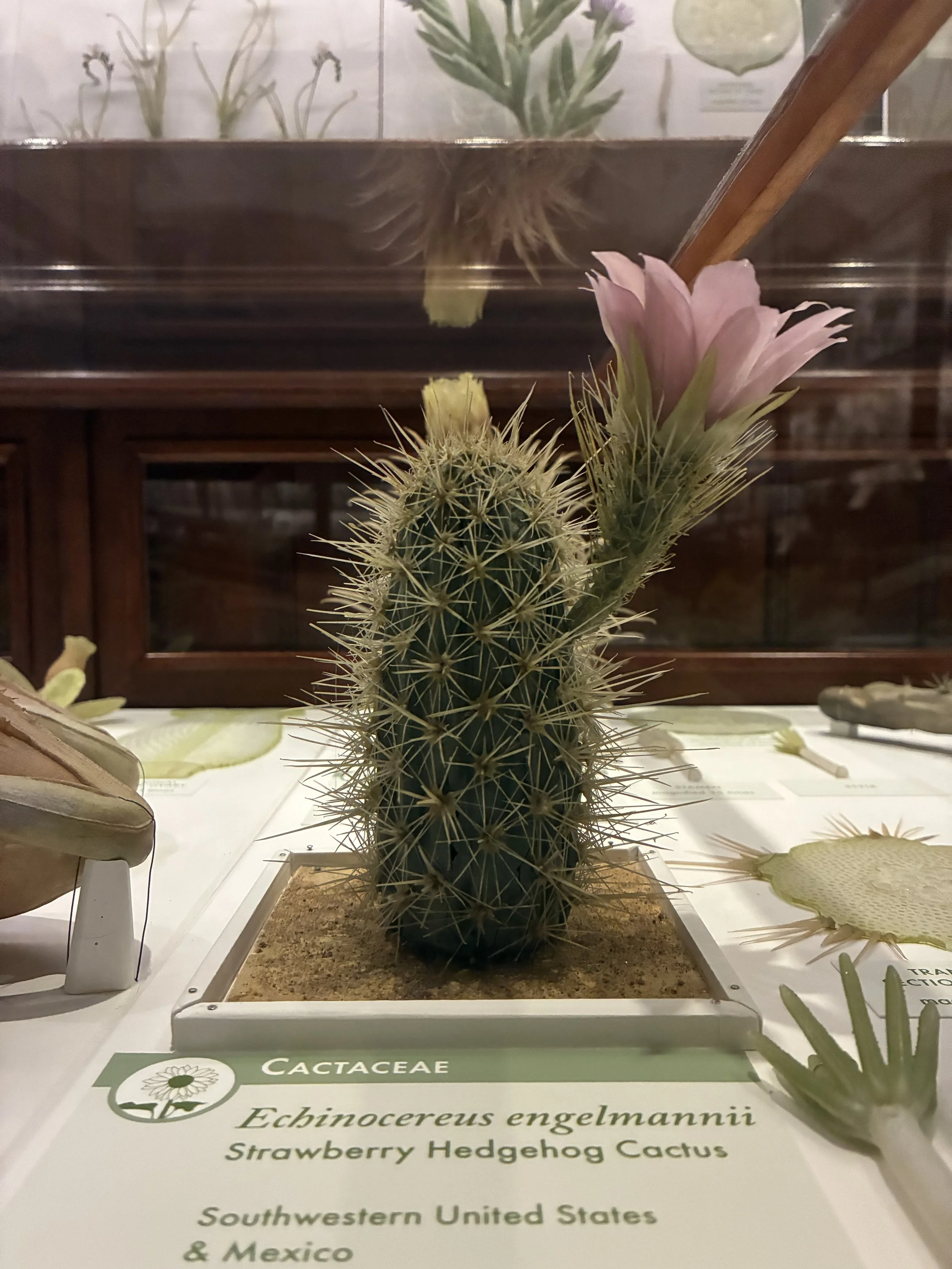
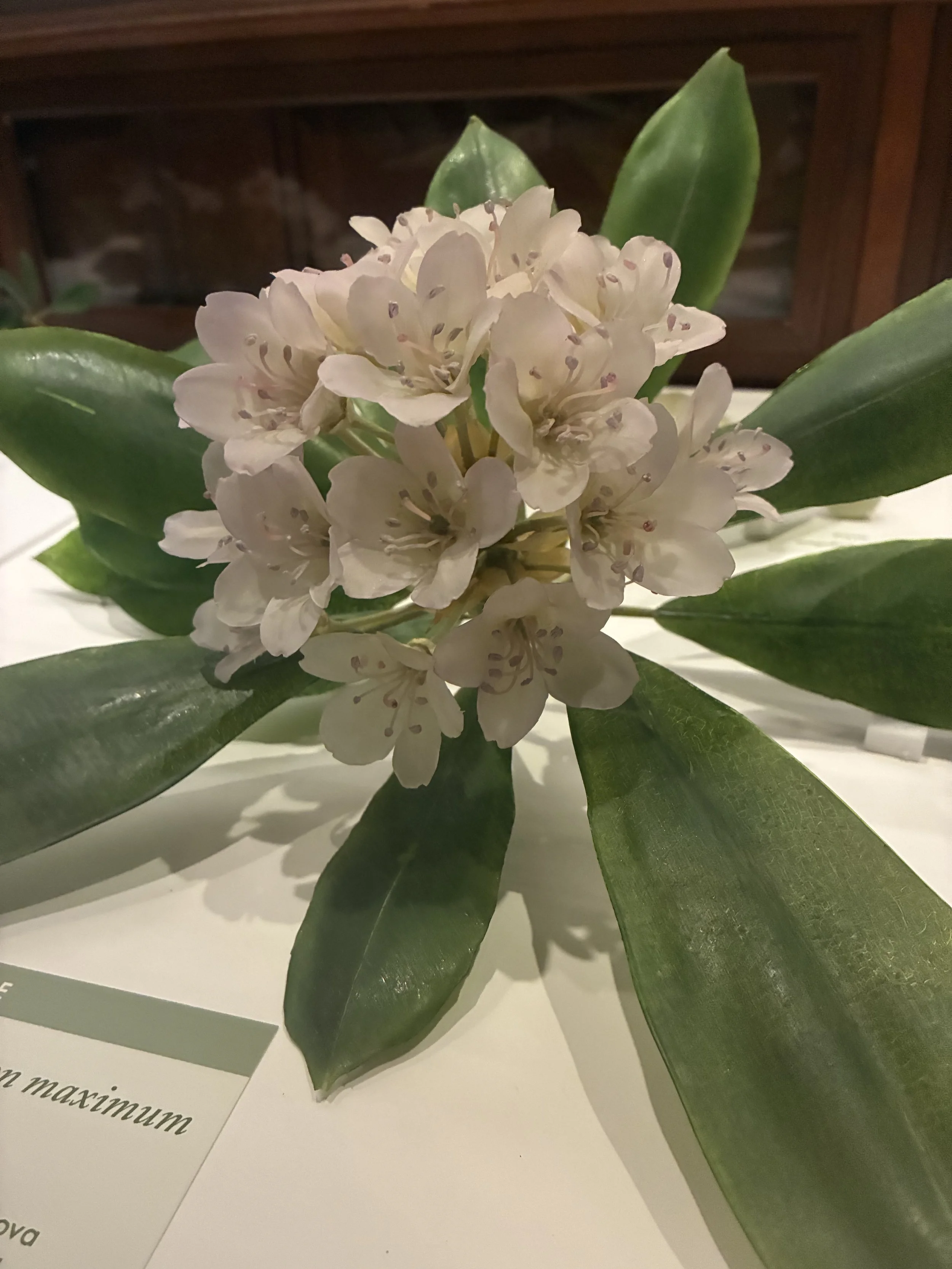
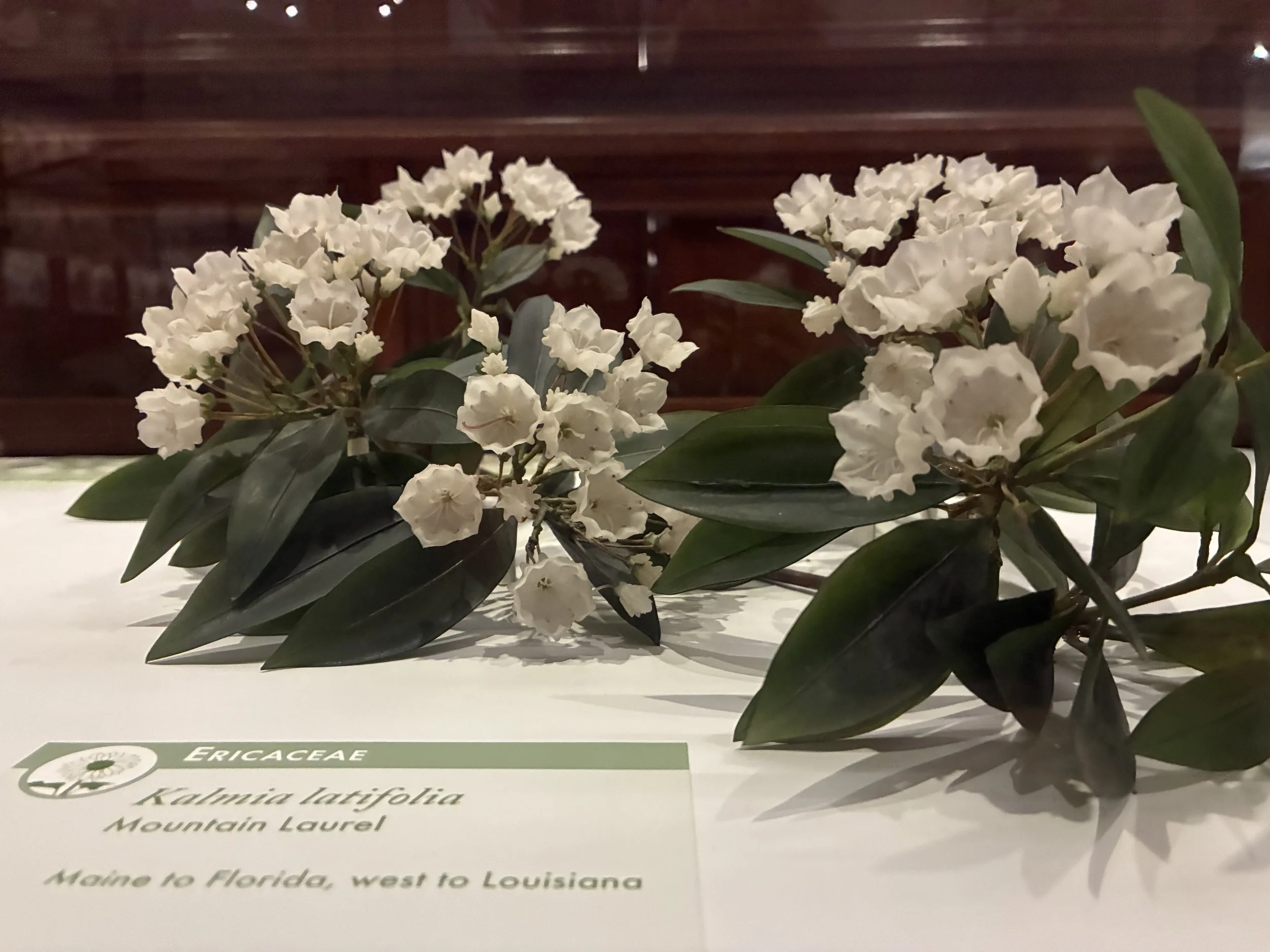
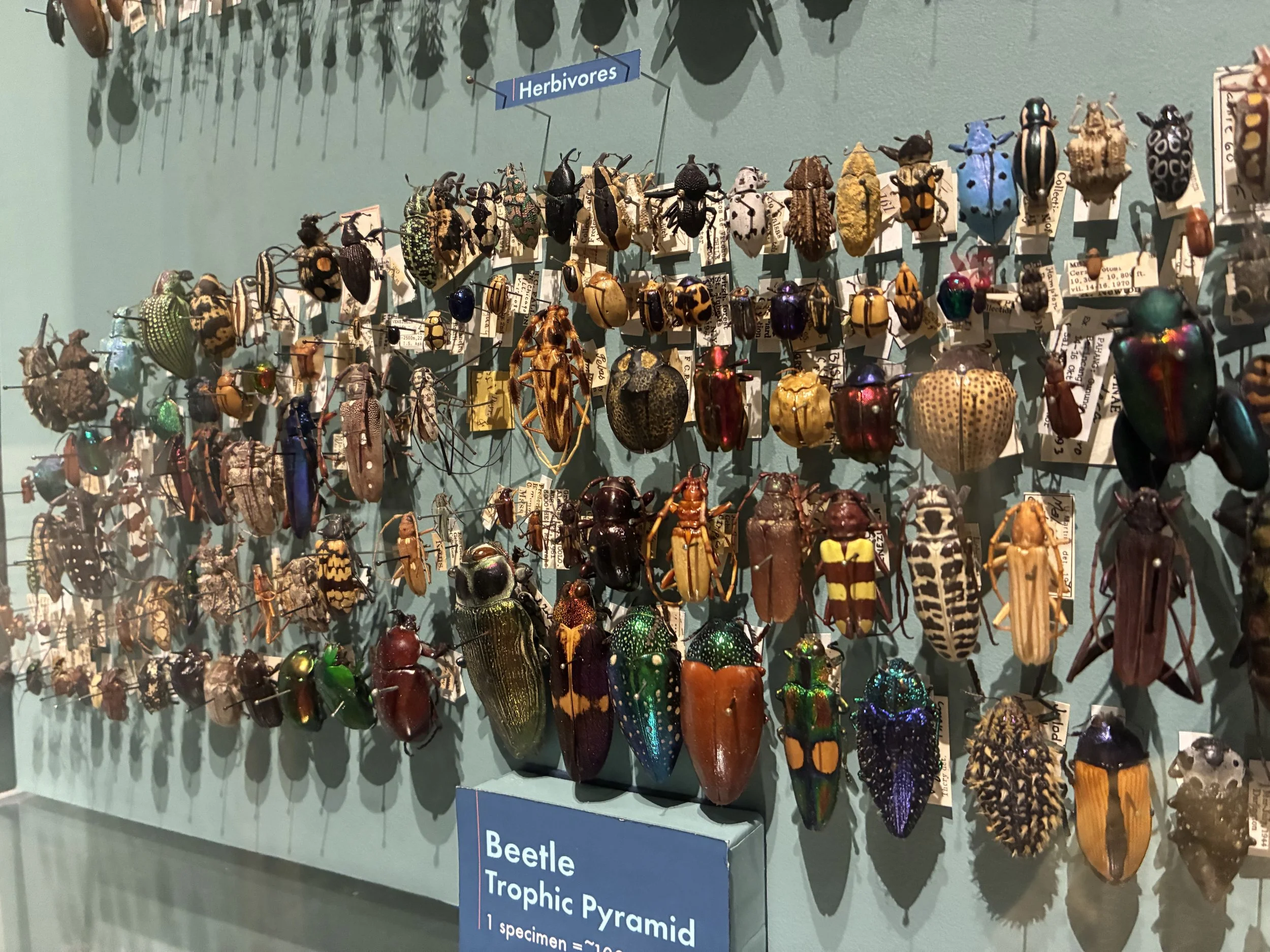
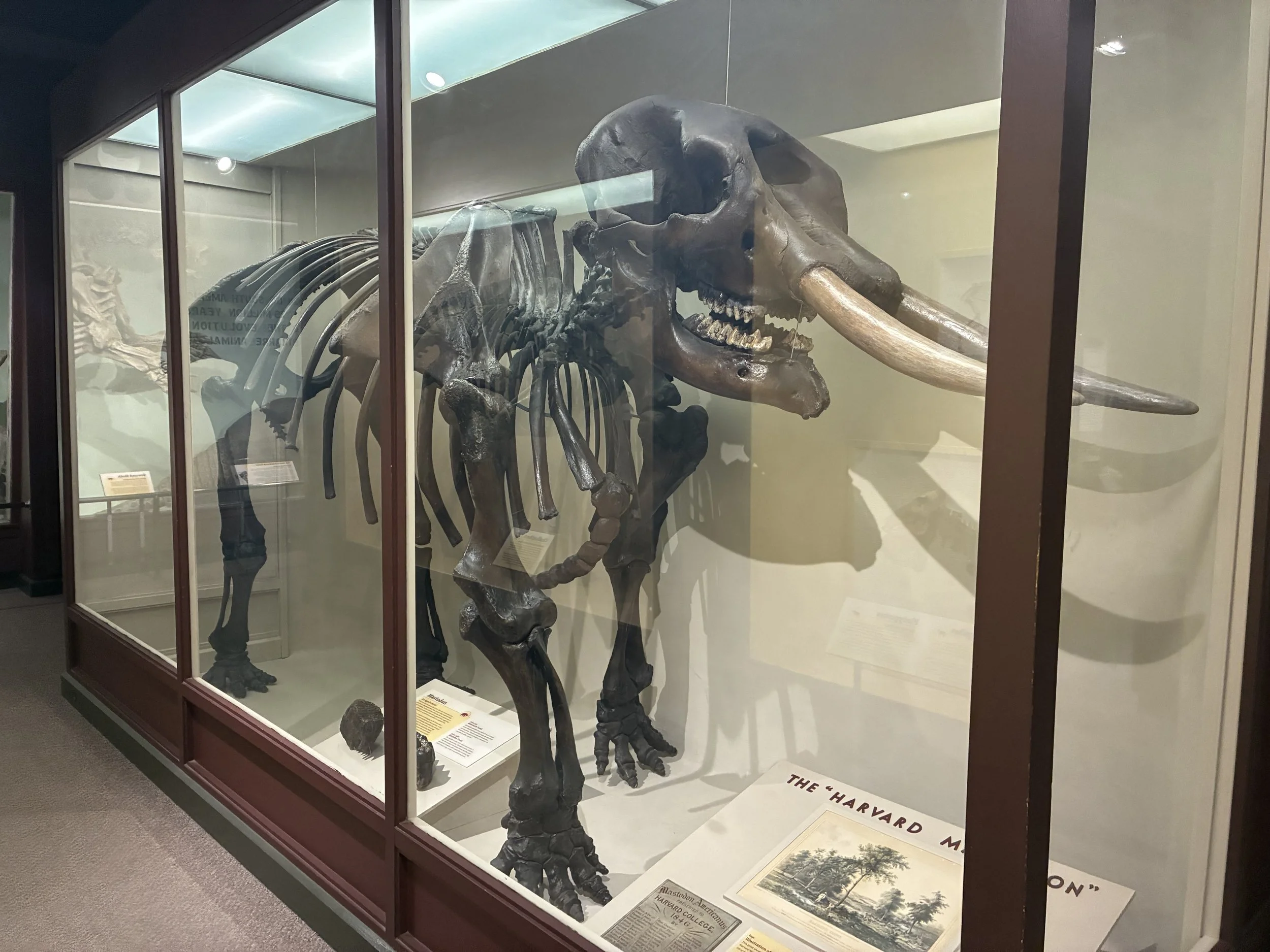
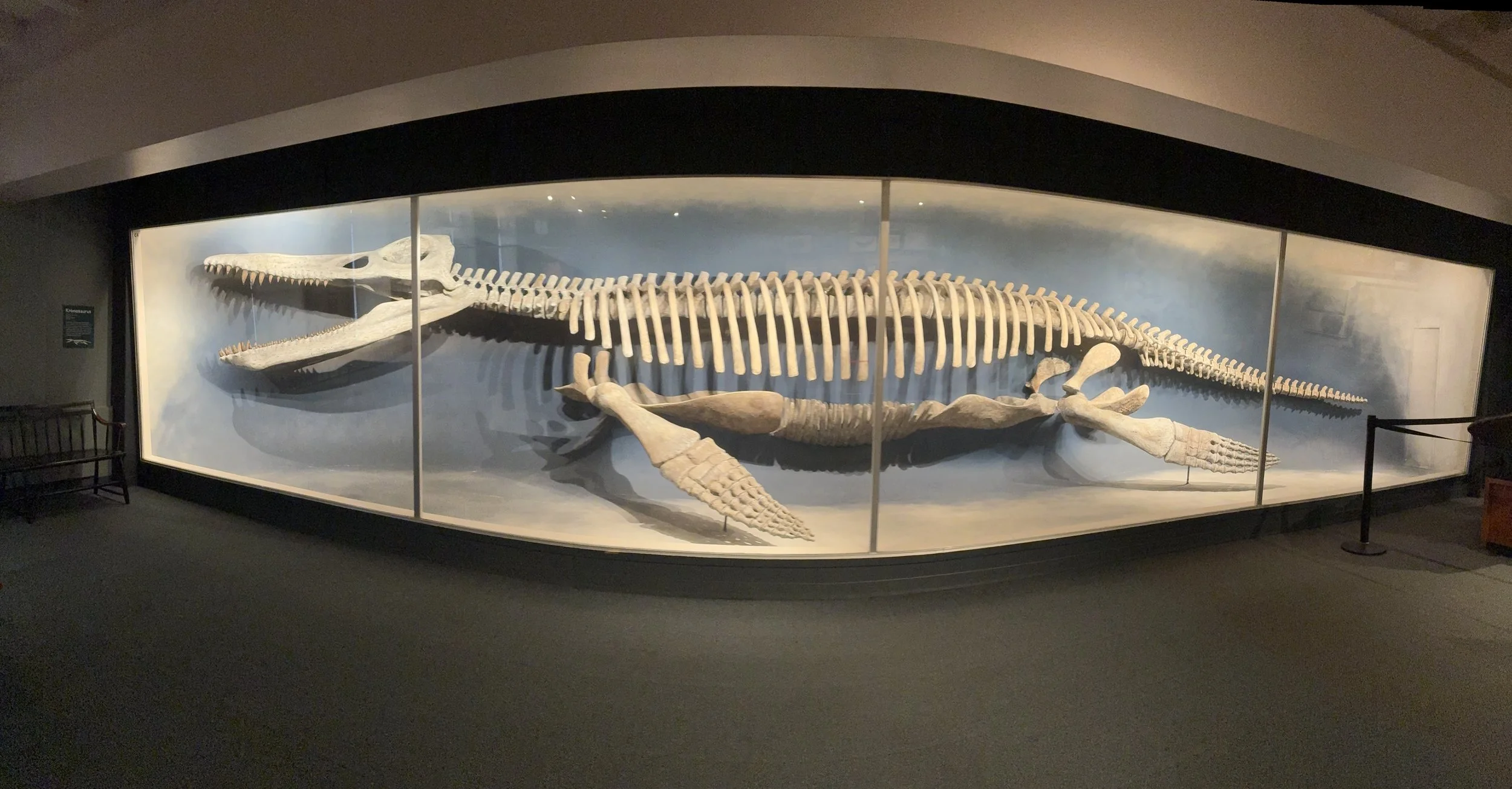
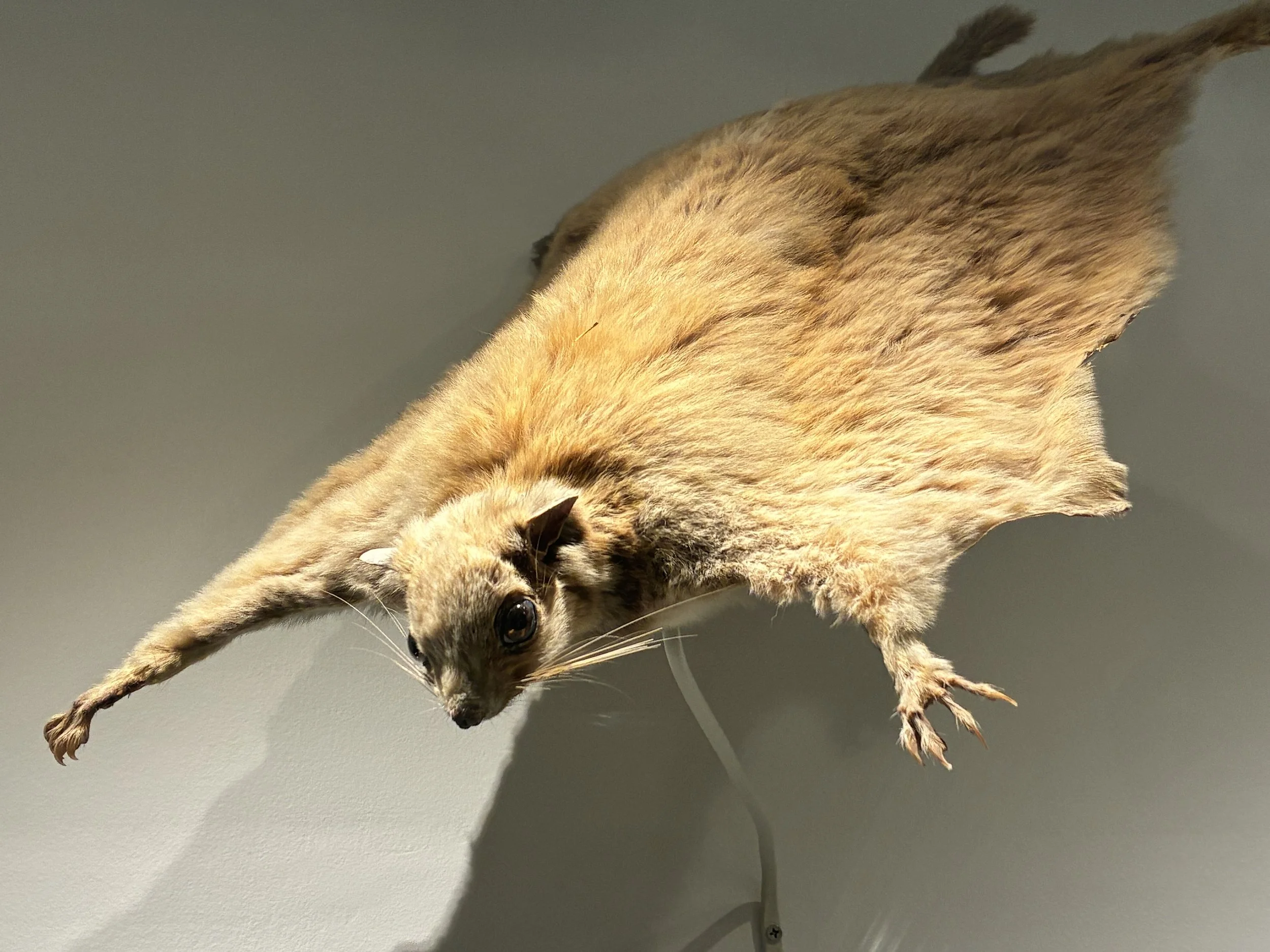
There were plenty of other natural history exhibits at this museum. It seemed that there was one of every animal in the world, neatly taxidermied, categorised and displayed in brightly-lit display cabinets. There was a good palaeontology wing too and I was thrilled to see the mighty skeletons of the Kronosaurus and the Mastodon.
Charles Darwin’s fancy pigeons are the exhibit that no one is talking about. I had never heard of fancy pigeons but it turns out that the National Peristeronic Society, England’s most elite club for pigeon fanciers has been in existence since 1847. Darwin joined this organisation as a way of gathering information on domestic pigeon breeding. He believed that this specific group of animals would be perfect for his study of variation within artificial selection. Although this interest began strictly as a means of collecting facts it was not long before he fell for the charm of these noble animals, a fact demonstrated in his 1855 letter to Charles Lyall - ‘I will show you my pigeons! Which are the greatest treat, in my opinion, which can be offered to a human being’.
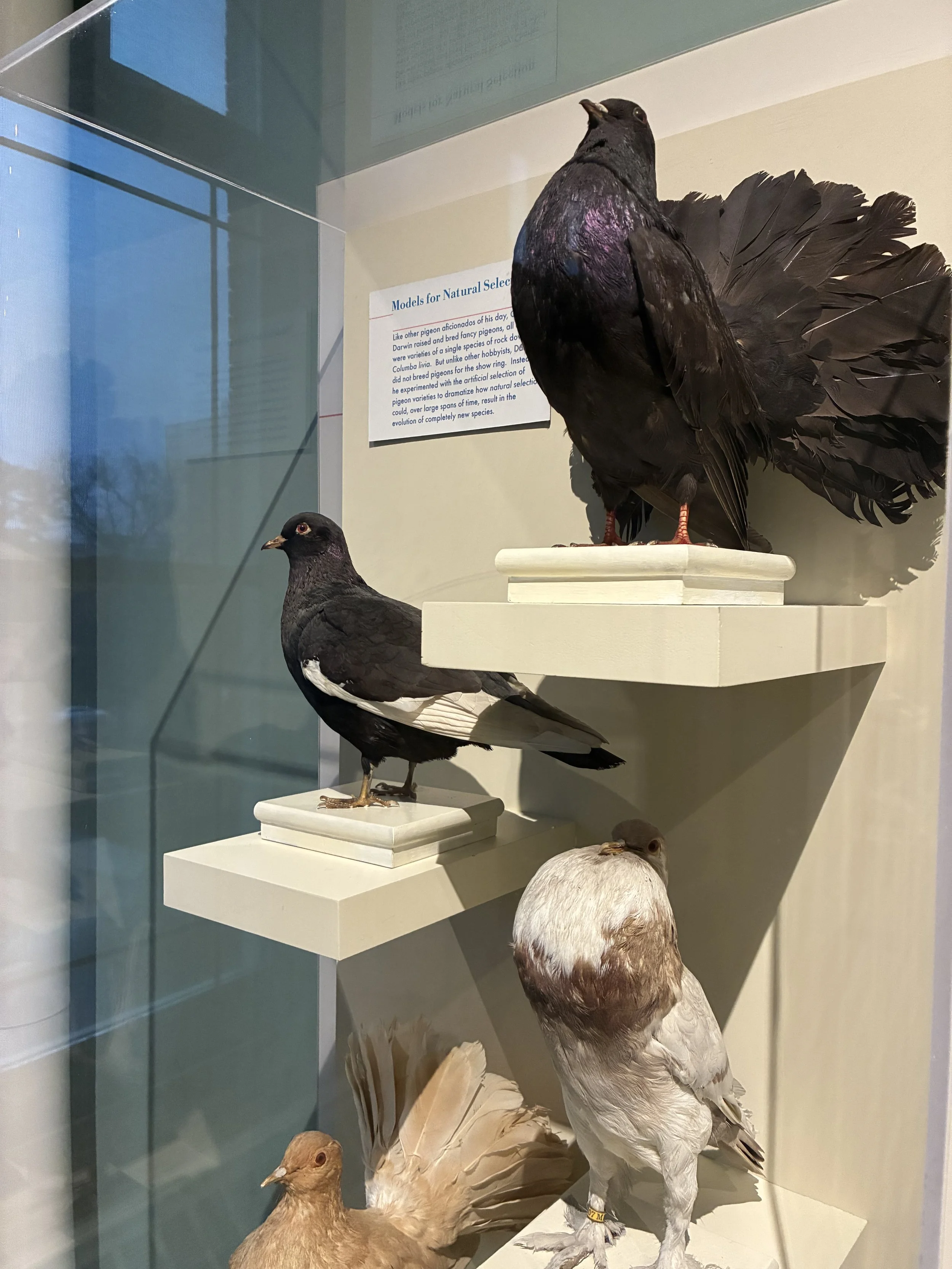
Darwin’s fancy pigeons.
Night two at the Royale was another excellent evening. Luckily this crowd knew better than to bombard us with song requests but thankfully they didn’t shy away from guttural, throaty, incomprehensible heckles. Boston was an all-round great town.